
Inline Colloid Mill

We provide a wide range of pumps & homogenizers
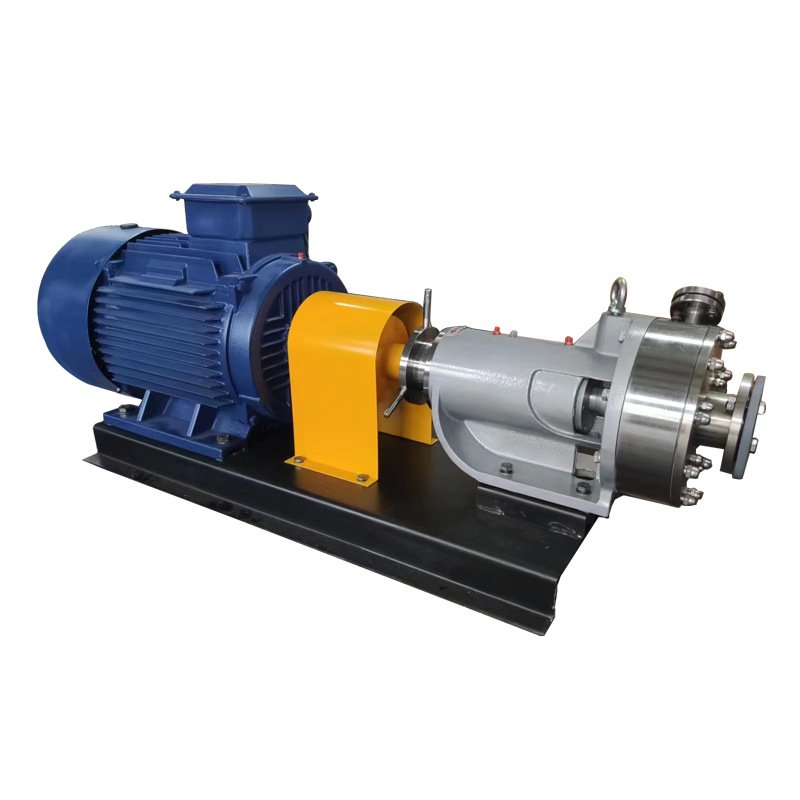
inline colloid mill

Inline Colloid Mill

Product Details:

  • Product Type:         Inline Colloid Mill
  • General Use:           Bitumen emulsion
  • Material:                  Customized
  • Type:                         Feed Grinding Machine
  • Fineness:                  Micro grade
  • Automatic :              No
  • Power:                   Up to 75kw

Introduction to Inline Colloid Mill

What Is a Inline Colloid Mill?
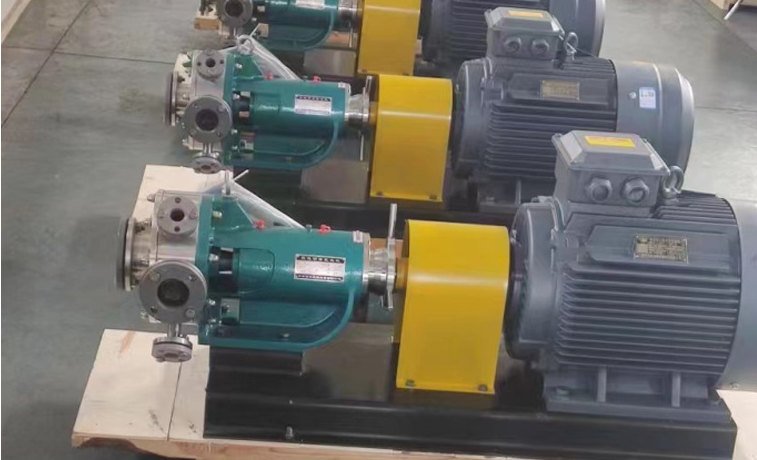
Inline colloid mills, also known as pipeline colloid mills, are high-shear processing machines widely used in industries like food, pharmaceutical, cosmetic, chemical, and beverage. Designed for continuous inline operation, they play a crucial role in grinding, emulsifying, dispersing, and homogenizing materials. 
 
Unlike batch-type vertical colloid mills, inline models are installed directly in production pipelines, enabling continuous processing of materials as they flow through the machine. The core components include a high-speed rotor and precision stator, which create intense shear forces to break down particles, emulsify mixtures, and ensure uniform product consistency. Inline colloid mills are ideal for large-scale industrial production, offering seamless integration with automated production lines— a key selling point for modern manufacturing.
inline colloid mill

Continuous Inline Processing for High Efficiency
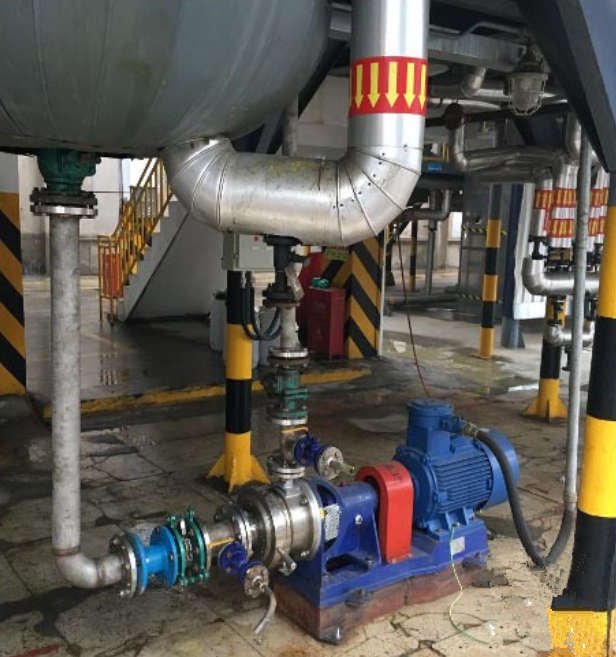
One of the biggest advantages of inline colloid mills is their ability to support 24/7 continuous production. Unlike vertical colloid mills that require batch processing (feeding, grinding, discharging, and repeating), inline models are integrated directly into the production pipeline, eliminating the need for intermediate tanks or manual transfer steps. This continuous operation ensures a seamless production flow, reduces downtime, and significantly increases throughput—critical for large-scale manufacturing. For industries like food processing (sauces, creams) and chemical production (paints, adhesives), this translates to higher productivity and lower labor costs. 
inline colloid mill

Compact Design & Easy Integration

Inline colloid mills feature a horizontal, pipeline-mounted design that offers a significantly smaller footprint compared to vertical colloid mills or standalone homogenizers. This compact size makes them easy to install anywhere in the production line, even in facilities with limited space. Their modular design also allows for seamless integration with existing automated systems, reducing the need for extensive modifications to the production setup. For businesses looking to upgrade their processing lines without major overhauls, this flexibility is a major advantage. Keywords like “compact inline colloid mill” and “easy integration colloid mill” are frequently searched by manufacturers seeking space-saving solutions.

Disadvantages of a Inline Colloid Mill

Inline colloid mills also have limitations that businesses must consider before investment.

Higher Initial Investment Cost

This is due to their advanced design, integrated pumping system, and precision components (e.g., hardened rotors, seals).

Limited Suitability for Extremely Abrasive Materials
The high-speed rotor and stator can wear down quickly when exposed to abrasive particles, leading to increased maintenance costs and frequent part replacements.For industries dealing with abrasive materials, specialized colloid mills with hardened ceramic or tungsten carbide components may be required, adding to the overall cost.
 
Sensitivity to Solid Impurities
These impurities can damage the rotor, stator, or seals, leading to equipment breakdown and production downtime. As a result, materials must be pre-filtered to remove large particles before processing, adding an extra step to the production process.

Efficiency meets sophistication in a surprisingly compact form.
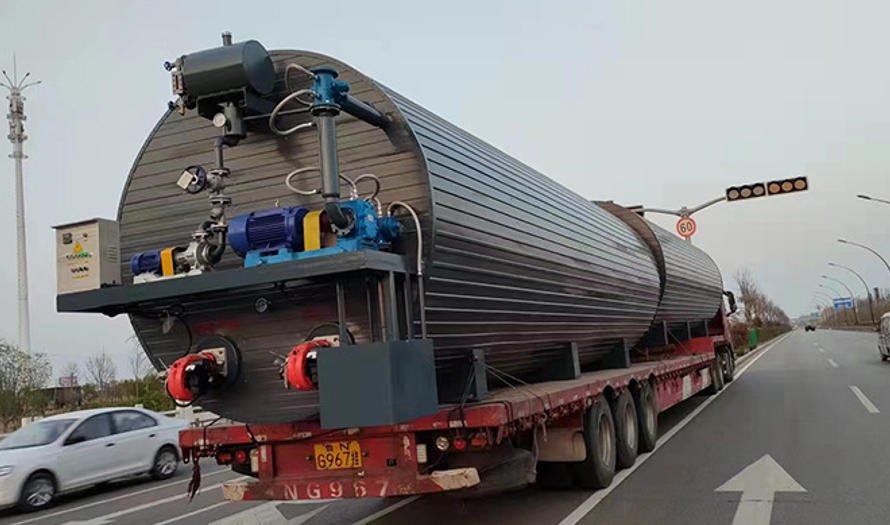
Not Ideal for Small-Batch Production
Inline colloid mills are designed for continuous, large-scale production. For small-batch production (e.g., laboratory testing, small-scale cosmetic manufacturing), they are inefficient and cost-prohibitive. The continuous flow design means that small batches may not fill the pipeline, leading to uneven processing and product waste. Vertical colloid mills, which are batch-based, are more suitable for small-batch production, making inline models a poor choice for businesses with low-volume needs.
inline colloid mill

Factors to Consider When Choosing an Inline Colloid Mill

Selecting the right mill requires thoughtful evaluation.

Material Compatibility
Different materials behave differently under shear. Understanding viscosity, abrasiveness, and temperature sensitivity is crucial.

Capacity and Viscosity Requirements
Flow rate and product thickness influence the choice of motor power and rotor-stator configuration.

Maintenance and Cleaning Considerations
Ease of disassembly, availability of CIP (Clean-In-Place) systems, and material durability all play a role in long-term usability.

A well-chosen mill becomes an asset. A poorly chosen one, a bottleneck.

Would you like to start a project with us?

To request more information about a particular homogenizer and application, or to request a quote, fill out our request form by Click”GET A QUOTE”. If you have any questions, don’t hestitate to email us at sales@newafluids.com.