Table of Contents
ToggleIntroduction to the Colloid Mill
In the vast world of industrial processing, where creating stable, uniform mixtures is paramount, one piece of equipment stands out for its precision and versatility: the colloid mill . Whether you’re producing silky peanut butter, luxurious cosmetics, or robust industrial lubricants, achieving a perfectly homogenized and stable emulsion or dispersion is often the difference between product success and failure.
But what exactly is a colloid mill, and how does it differ from a blender, a high-shear mixer, or a traditional ball mill? This comprehensive guide will not only explain the science and mechanics behind this powerful machine but will also give you clear ways to identify and understand its unique role in modern manufacturing.
1. Understanding the Colloid Mill: Definition and Core Principle
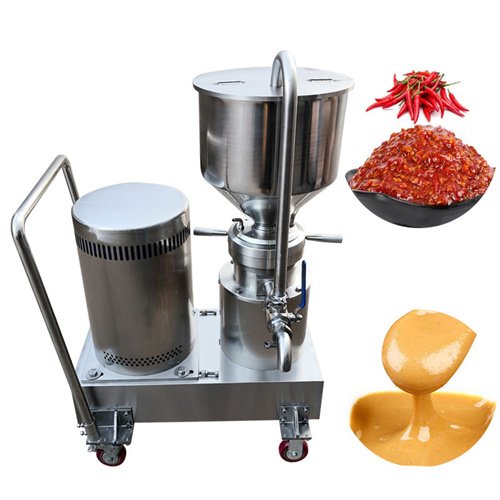
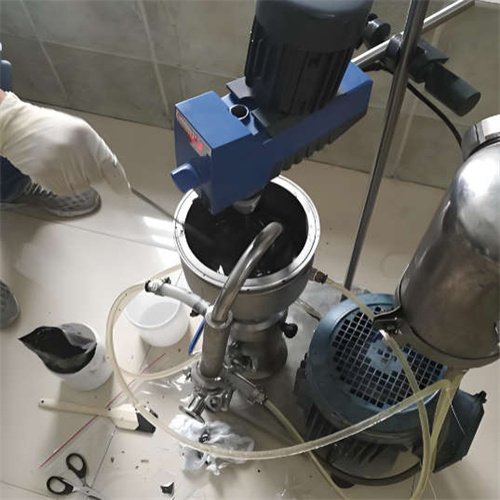
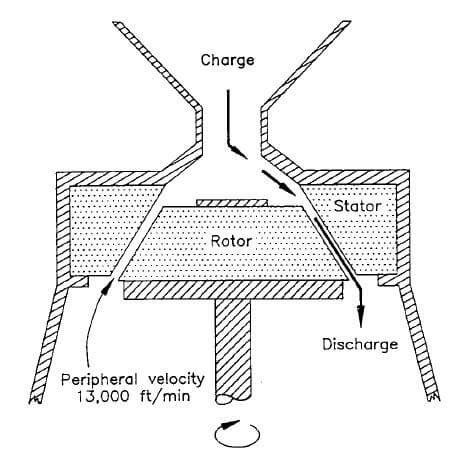
A colloid mill is a precision mechanical device designed to reduce the particle size of a solid in a liquid suspension or to reduce the droplet size in an emulsion . It accomplishes this through a combination of high-shear mechanical forces, hydraulic shear, and sometimes cavitation.
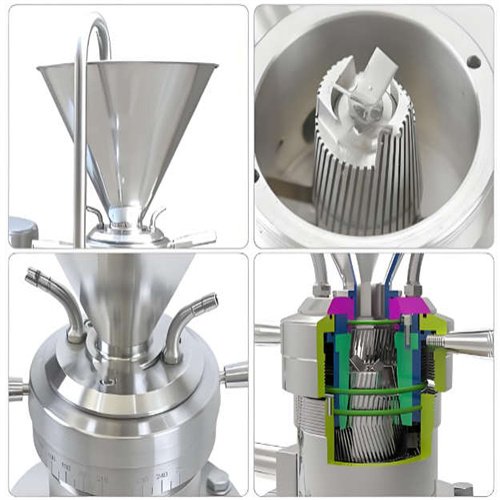
Core Working Principle: The magic happens in the narrow gap between a high-speed rotor (or cone) and a static stator (or housing). As the product is fed into this gap, it is subjected to extreme levels of shear and turbulence. This mechanical and hydraulic force ruptures agglomerates, breaks down particles, and disperses one phase uniformly into another, resulting in a homogeneous, stable, and often more visually appealing product.
2. How does a colloid mill differ from a blender, a high-shear mixer, or a traditional ball mill?
Summary Table
| Feature | Colloid Mill | Blender | High‑Shear Mixer | Ball Mill |
|---|---|---|---|---|
| Main Force | High shear (rotor–stator) | Mild shear + agitation | High turbulence + cavitation | Impact + attrition |
| Particle Size | 2–70 μm (narrow) | 500–2000 μm (coarse) | 10–200 μm (broad) | 1–100 μm (very broad) |
| Viscosity Range | Medium–high | Low | Low–medium–high | Dry/low only |
| Continuous Processing | Yes | No | Yes | Yes |
| Key Use Case | Emulsions, homogenization | Simple mixing | Deagglomeration, dispersion | Dry grinding of hard solids |
3. Colloid mill particle size
- It has a very high grinding speed and a very small shear gap, so the fineness of the grinding is also very high. The fineness ranges from 2um -40um, and the grinding fineness is the same for different models.To achieve a certain level of fineness, the only way is through repeated grinding followed by filtration.
- Different industries have different requirements for the grinding fineness of colloid mills. For example, the chemical industry may require a grinding fineness of less than 10 μm, while the food industry may require a grinding fineness of less than 100 μm.
4. Key Features for a Colloid Mill
High Grinding Fineness:The grinding discs of colloid mills are made of special materials, enabling them to grind materials into fine particles in a short time. The particle size can be adjusted as needed.
Simple Operation:Colloid mills are very easy to operate; simply follow the instructions for installation and use.
Easy Cleaning:Due to their simple structure, colloid mills are easy to clean.
Good Stability: Colloid mills are manufactured using modern high-tech equipment processes, resulting in advantages such as good stability and high durability.
5. Classification and Types Colloid Mills
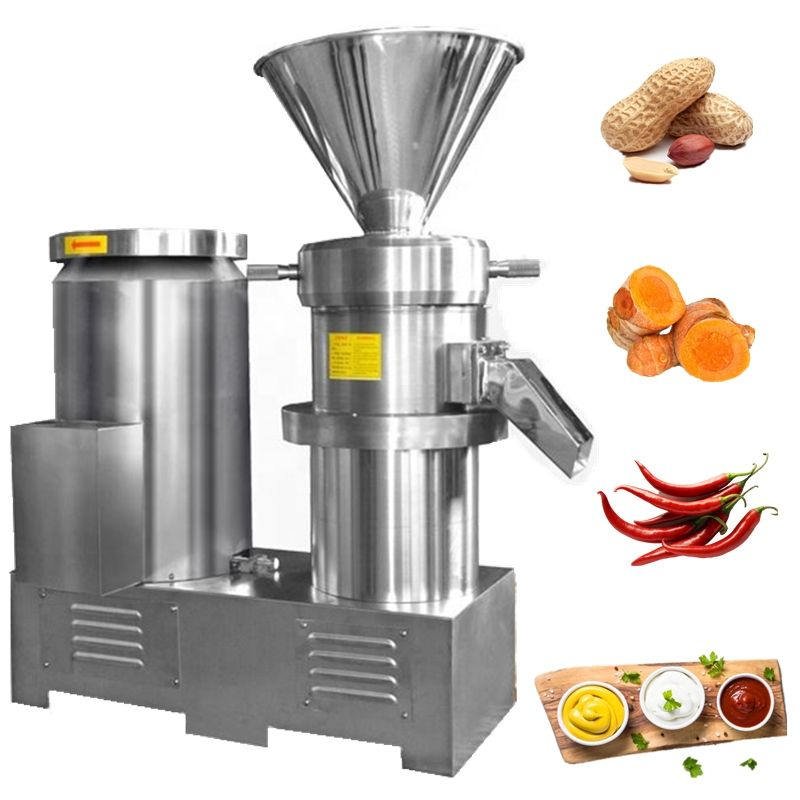
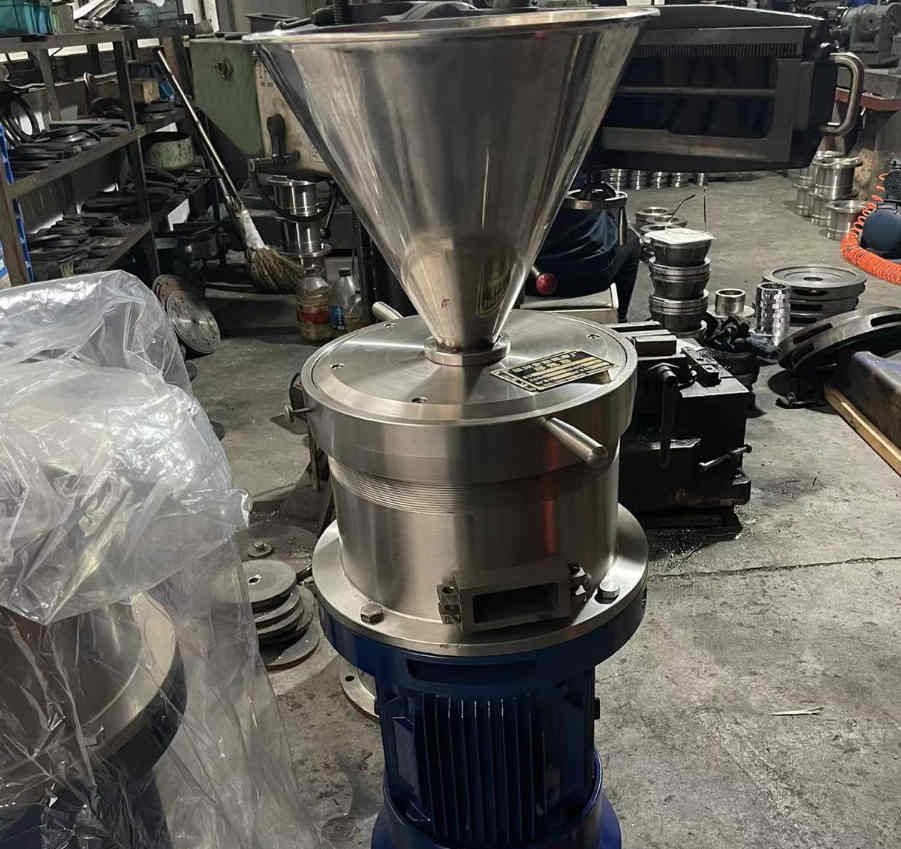
Vertical type
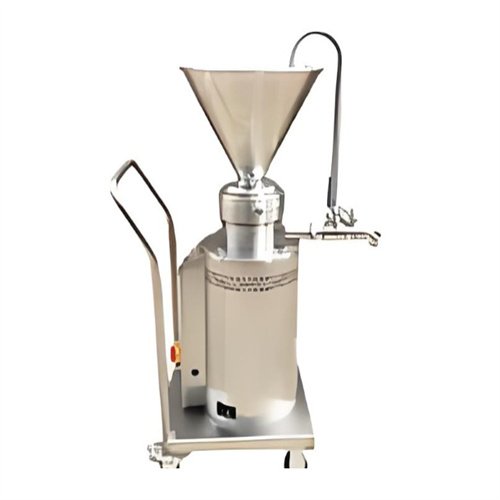
Features: Vertical structure, motor and mill head coaxially connected, small footprint, suitable for laboratories or small production lines.
* Sub-types: Standard type, Premium type (entirely stainless steel), Fully enclosed type (anti-volatile/explosion-proof).
* Typical applications: Food sauces, cosmetic emulsions, pharmaceutical preparations.
Horizontal type
Features: Horizontal structure, high stability, suitable for high viscosity materials (such as grease, silicone).
* Sub-types: In-line type (directly embedded in a piping system), Separate type (motor and mill head separate).
* Typical applications: Continuous processing of chemical slurries, dispersion of polymer materials.
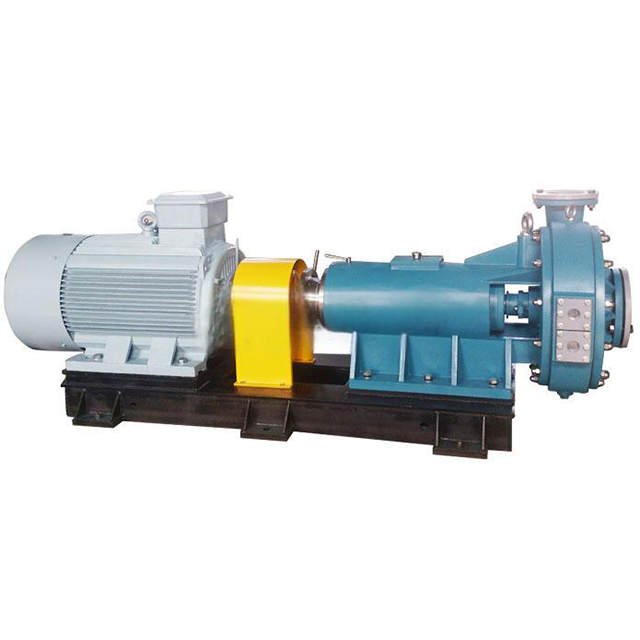
Inline type
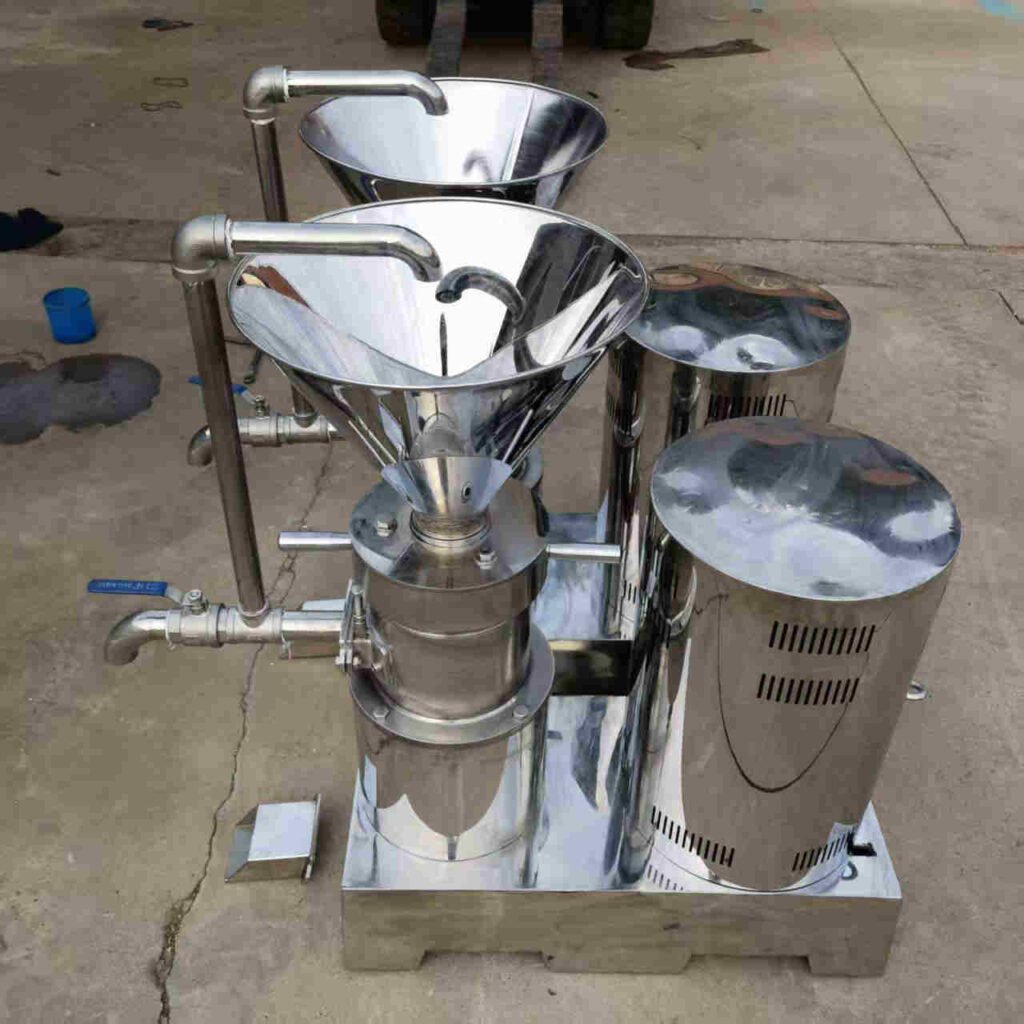
Features: Inline structure, Piped Inlet (Continuous), Throughput:High (Industrial Scale) Throughput:High (Industrial Scale)
* Typical applications:
-
Bitumen Emulsions: Producing modified asphalt for road construction at high tons-per-hour rates.
-
Food Processing: Continuous production of mayonnaise, salad dressings, and nut milks.
6. Applications for a colloid mill
Pharmaceutical and Cosmetic
- Ointments and Topical Creams
- Suspensions and Liquid Formulations
- Lotions and Personal Care Emulsions
Chemical and Industrial Processing
- Paints and Coatings
- Lubricants and Greases
- Specialty Chemicals and Slurries
7. When you need a colloid mill
You Require Ultra-Fine Particle/Droplet Size
If your product specification calls for a mean particle or droplet size in the micronic or sub-micronic range (1-25 µm), standard mixers won’t suffice. Colloid mills are engineered specifically for this level of fineness, creating the smooth mouthfeel in sauces or the stable consistency in lotions.
You Are Creating Stable Emulsions or Suspensions
Is product stability on the shelf your biggest challenge? By reducing droplet size to a uniform, tiny level, colloid mills dramatically increase the surface area of the dispersed phase. This slows down the natural separation processes (like creaming or sedimentation), leading to emulsions and suspensions that remain homogeneous for months or even years .
Your Product is Shear-Sensitive (But Requires High Shear)
This seems paradoxical, but it’s a key strength. While colloid mills apply high shear, the contact time in the shear zone is extremely short (milliseconds). This makes them suitable for products that would be degraded by prolonged mixing or heating, such as fruit pulps, protein drinks, or certain pharmaceuticals, as heat can be controlled via the jacket..
You Need Continuous, In-Line Processing
Unlike batch mixers, most colloid mill designs are perfect for continuous, in-line production . They can be integrated into a pipeline, receiving premixed slurry from one tank, processing it, and pumping it directly to a filling or packaging line. This enables higher throughput and fully automated operations.
You’re Working with Viscous or Abrasive Materials
Colloid mills are robust. They can handle a wide range of viscosities, from low-viscosity solutions to pastes. Furthermore, models with specially hardened (e.g., carbide-coated) or corrosion-resistant (e.g., stainless steel 316) rotor/stator sets can process moderately abrasive or corrosive slurries that would quickly wear out other equipment.
FAQ About Colloid Mills
How to adjust the grinding fineness?
Adjust the gap between rotor and stator directly: smaller gap = finer particle size; increase rotating speed and material circulation times to get better fineness.
Is the colloid mill food grade safe?
Food grade models adopt full 304/316 stainless steel, meet GMP food hygiene standard, easy to clean, no dead corner.
How to clean and maintain the colloid mill?
Flush with clean water after use; disassemble rotor and stator regularly to clean residue; check sealing parts and lubricating oil periodically.
Why does material leak out?
Damaged mechanical seal, loose joint flange, excessive feeding pressure, uneven gap adjustment.
Why low grinding efficiency and coarse fineness?
Too large rotor-stator gap, low motor speed, too high material viscosity, too fast feeding speed.
Customized 220V/380V; power range from 1.5KW to 75KW for different output needs.
Can it work continuously?
Industrial grade colloid mill supports 24-hour continuous production.