1. Introduction to Nut Butter Production
What defines high-quality nut butter
Exceptional nut butter is more than just ground nuts. It is a harmonious blend of texture, aroma, and taste. The ideal product is smooth yet substantial, creamy yet structured. There should be no grittiness—only a luxurious, spreadable consistency that glides effortlessly.
The growing demand for smooth and natural spreads
Consumers are becoming increasingly discerning. Clean labels, minimal processing, and natural ingredients are no longer niche preferences—they are expectations. This surge in demand places pressure on producers to deliver consistency and quality at scale.
2. The Science Behind a Colloid Mill for Nut butter
Fundamental working principle
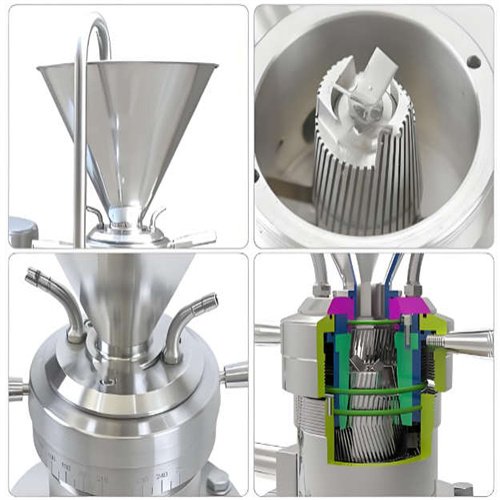
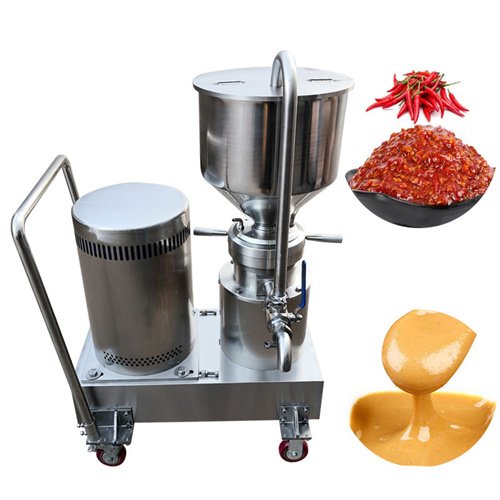
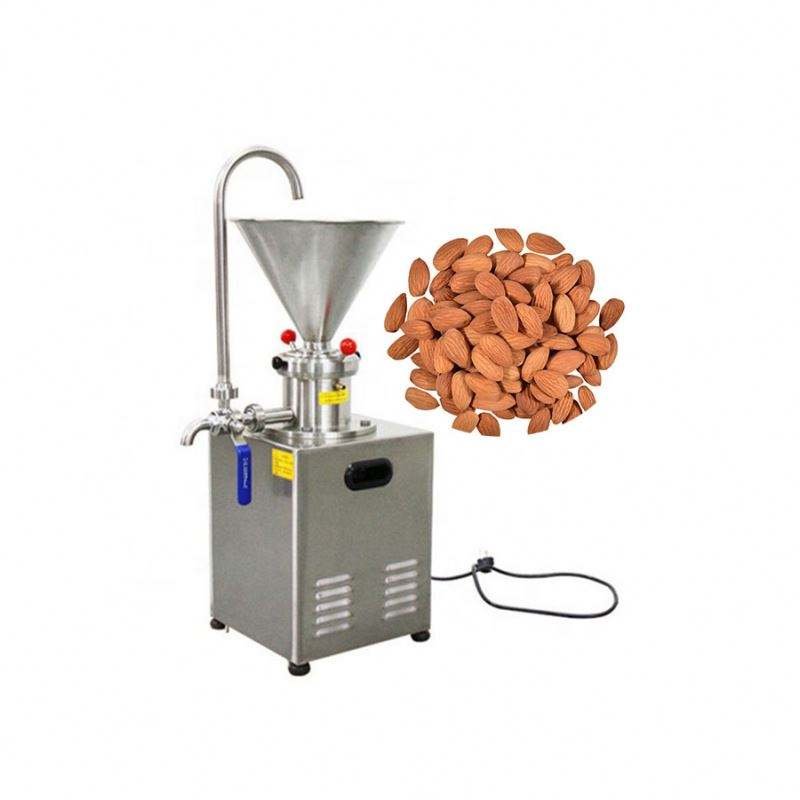
A colloid mill operates through a high-speed rotor-stator mechanism. Material is drawn into a narrow gap where it experiences intense mechanical forces. These forces disintegrate particles, transforming coarse nut fragments into a cohesive paste.
Shear force, friction, and particle reduction explained
Within the grinding zone, a triad of forces—shear, impact, and friction—acts simultaneously. This synergistic action reduces particle size to microscopic levels. The outcome is a uniform dispersion, essential for premium nut butter.
3. Why Colloid Mills Excel in Nut Butter Processing
Achieving ultra-fine texture
Texture is paramount. A colloid mill for nut butter excels at producing exceptionally fine particles, often reaching micron-scale precision. This creates a silky mouthfeel that distinguishes high-end nut butter from inferior alternatives.
Enhancing flavor release and mouthfeel
Finer particles mean greater surface area. This amplifies flavor release, allowing the natural richness of the nuts to unfold fully. The result is a more intense, satisfying sensory experience.

4. Essential Features of the Best Colloid Mill
Adjustable grinding precision
Not all nut butters are created equal. Some require a thicker consistency, while others demand near-liquid smoothness. An adjustable rotor-stator gap allows precise control over the final texture, offering remarkable versatility.
Food-grade construction and sanitary design
Hygiene is non-negotiable in food processing. High-quality colloid mills are constructed from food-grade stainless steel, ensuring durability, corrosion resistance, and compliance with stringent safety standards.
Output capacity and operational efficiency
Efficiency drives profitability. A well-designed machine balances throughput with performance, enabling continuous production without sacrificing quality. Scalability becomes achievable, not aspirational.
5. Step-by-Step Nut Butter Processing Workflow
Raw material selection and preparation
Quality begins at the source. Fresh, well-roasted nuts yield superior flavor and texture. Pre-processing steps—such as sorting, roasting, and cooling—set the stage for effective grinding.
Grinding stages and refinement
The initial grind breaks down the nuts into a coarse paste. Subsequent passes through the colloid mill refine the texture. Each iteration reduces particle size, enhancing smoothness incrementally.
Texture balancing and finishing
Final adjustments are critical. Fine-tuning parameters such as gap size and feed rate ensures the desired consistency. At this stage, additional ingredients like salt or sweeteners can be incorporated seamlessly.
6. Common Pitfalls in Nut Butter Production
Overheating and flavor degradation
Excessive heat is a silent adversary. It can alter flavor profiles and degrade nutritional value. Controlled processing conditions are essential to preserve the integrity of the nuts.
Oil separation and instability
Natural oils tend to separate over time. Inadequate grinding exacerbates this issue. Proper emulsification through high-shear processing ensures a stable, homogeneous product.
Inconsistent particle size
Irregular grinding leads to uneven texture. This inconsistency is immediately noticeable to consumers. Precision equipment and proper calibration mitigate this risk effectively.
7. Advanced Tips for Premium Nut Butter Quality
Temperature modulation strategies
Managing temperature during processing is both an art and a science. Slight warmth can improve flowability, but excessive heat must be avoided. Cooling systems or intermittent operation can provide balance.
Multi-stage grinding techniques
A single pass rarely achieves perfection. Multi-stage grinding refines the product gradually, resulting in superior smoothness and consistency. Patience, in this case, yields tangible rewards.
Post-processing and storage optimization
Even after production, vigilance is required. Proper storage conditions—cool, dry, and airtight—prevent oxidation and maintain freshness. Gentle mixing before packaging enhances uniformity.
8. Conclusion
Selecting the best colloid mill for nut butter production is a decisive factor. It influences texture, flavor, and overall product appeal. With the right equipment and meticulous process control, manufacturers can consistently deliver nut butter that is not only high in quality but also memorable in every spoonful.