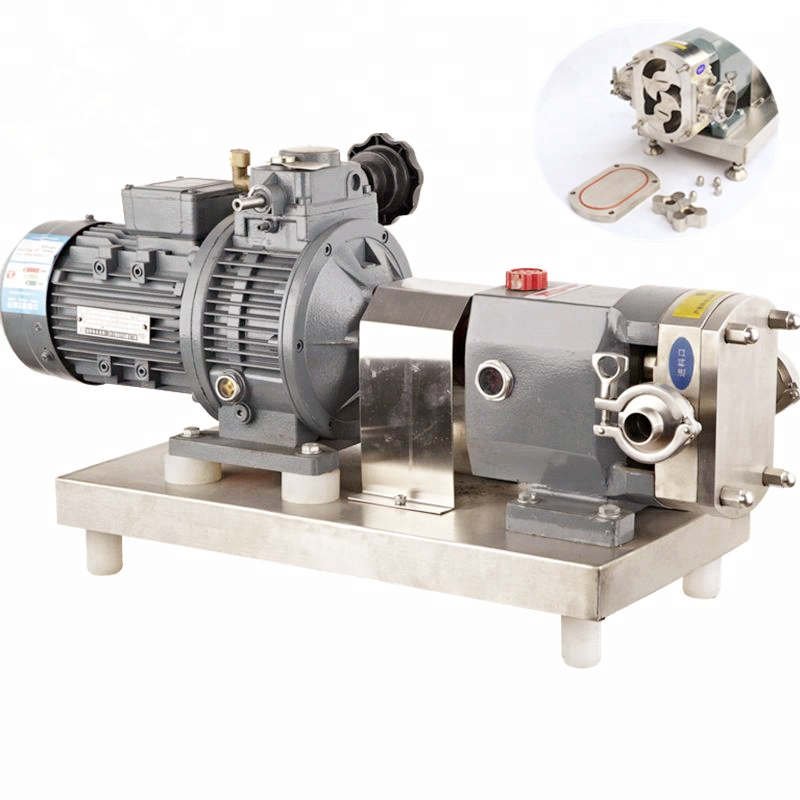
Key Industrial Applications of Rotary Lobe Pumps
The unique combination of features makes rotary lobe pumps indispensable across diverse sectors.Here are the primary fields where they are deployed.
Rotary lobe pump for Food & Beverage Industry
This is one of the largest application areas, driven by stringent hygiene standards (e.g., 3-A, EHEDG, FDA) and the need for product care.
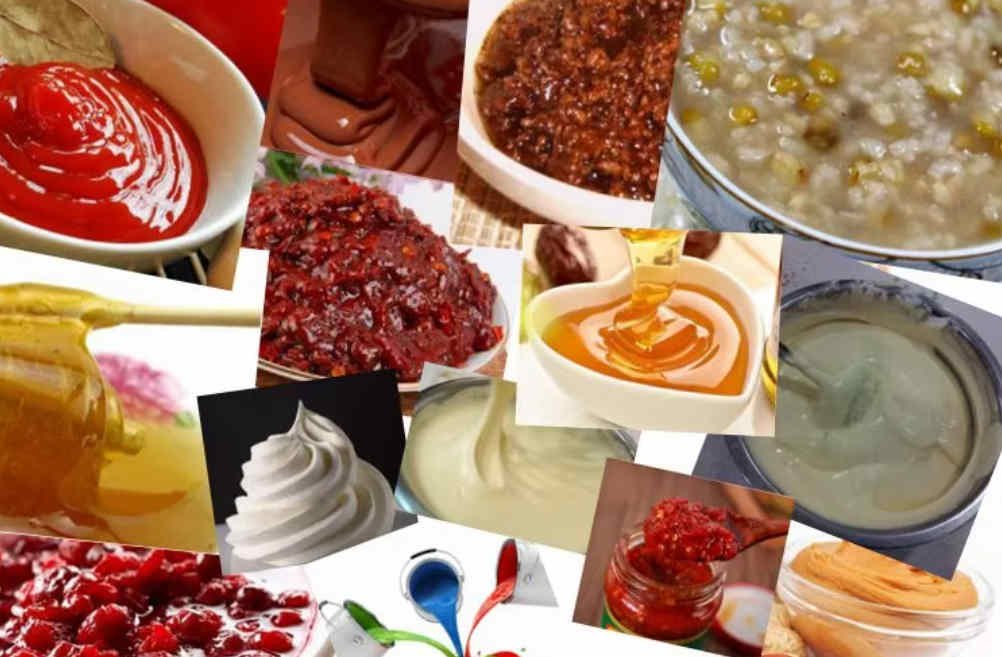
- Dairy Processing: Gentle handling of yogurt, curd, cream, milk, and soft cheeses is critical. Lobe pumps transfer these products without breaking down delicate structures or emulsified fats.
- Beverage Production: Used for pumping concentrates, syrups, pulpy juices (with fruit particles), wine, and beer. Their low shear action preserves flavor, carbonation, and texture.
- Confectionery & Baking: Handling viscous materials like dough, batters, chocolate, caramel, and fondant. Sanitary designs prevent contamination.
- Meat & Poultry Processing: Pumping marinades, slurries, and pre-blended mixtures containing small particulates.
Rotary lobe pump for Pharmaceutical & Cosmetic Manufacturing
Precision, sterility, and reliability are non-negotiable in these industries. Rotary lobe pumps are often used in clean-in-place (CIP) and sterilize-in-place (SIP) systems.
- Transfer of Active Ingredients: Handling sensitive and often high-value pharmaceutical intermediates and final products.
- Creams & Lotions: Pumping viscous emulsions, ointments, and gels without shearing or separating the mixture.
- Soaps & Shampoos: Moving base materials and finished products containing surfactants and thickeners.
- Hygienic Fluid Transfer: Ensuring absolute purity when moving solvents, buffers, and other process fluids.
Rotary lobe pump for Chemical & Petrochemical Processing
Chemical resistance and handling diverse fluid properties are key here. Lobe pumps are constructed from various materials (stainless steel, cast iron, special alloys) to suit aggressive media.
- Polymers & Resins: Transferring viscous polymers, adhesives, glues, and sealants. Adjustable clearances help manage changing viscosities.
- Solvents & Additives: Pumping aggressive chemicals, dyes, pigments, and additives where leakage must be prevented.
- Latex & Emulsions: Gentle handling to maintain the stability of colloidal mixtures.
- Fuel & Oil Additives: Metering and transferring viscous additives into mainstream flows.
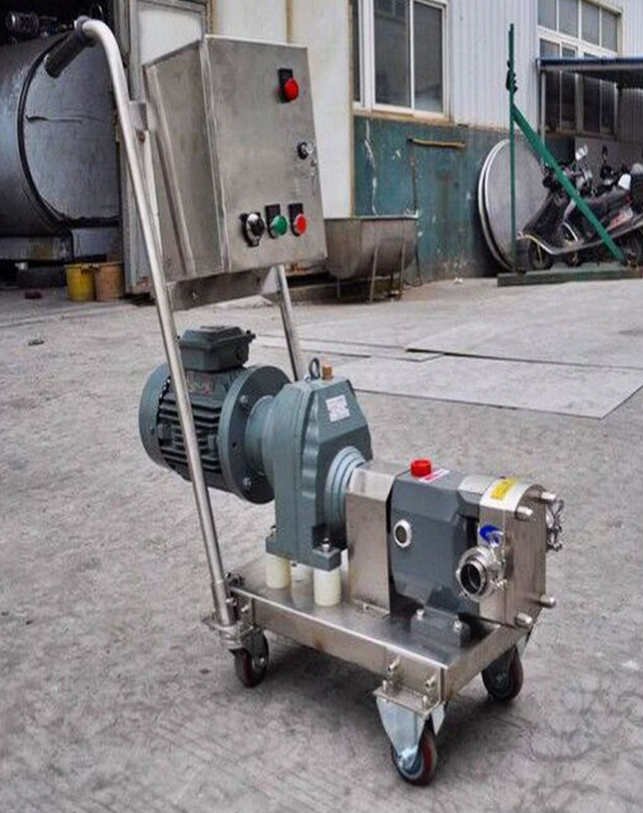
Rotary lobe pump for Biotechnology & Fermentation
This application highlights the pump’s sanitary and low-shear capabilities for living cultures and sensitive broths.
- Fermentation Broth Transfer: Moving cell cultures and nutrient media without damaging living organisms (low shear).
- Harvesting & Downstream Processing: Used in steps for separating biomass, transferring intermediates, and preparing final bio-products.
- Buffer & Media Preparation: Hygienic transfer of growth media and process solutions.
Rotary lobe pump for Pulp & Paper Industry
The ability to handle abrasive, high-solid-content slurries makes lobe pumps a strong choice in paper mills.
- Stock Preparation: Pumping pulp slurries, broke, and recycled paper stock.
- Coating & Additive Transfer: Handling clay, calcium carbonate, titanium dioxide, and starch coatings—often thick and abrasive mixtures.
- Chemical Recovery: Transferring viscous by-products and process chemicals like green and white liquor.
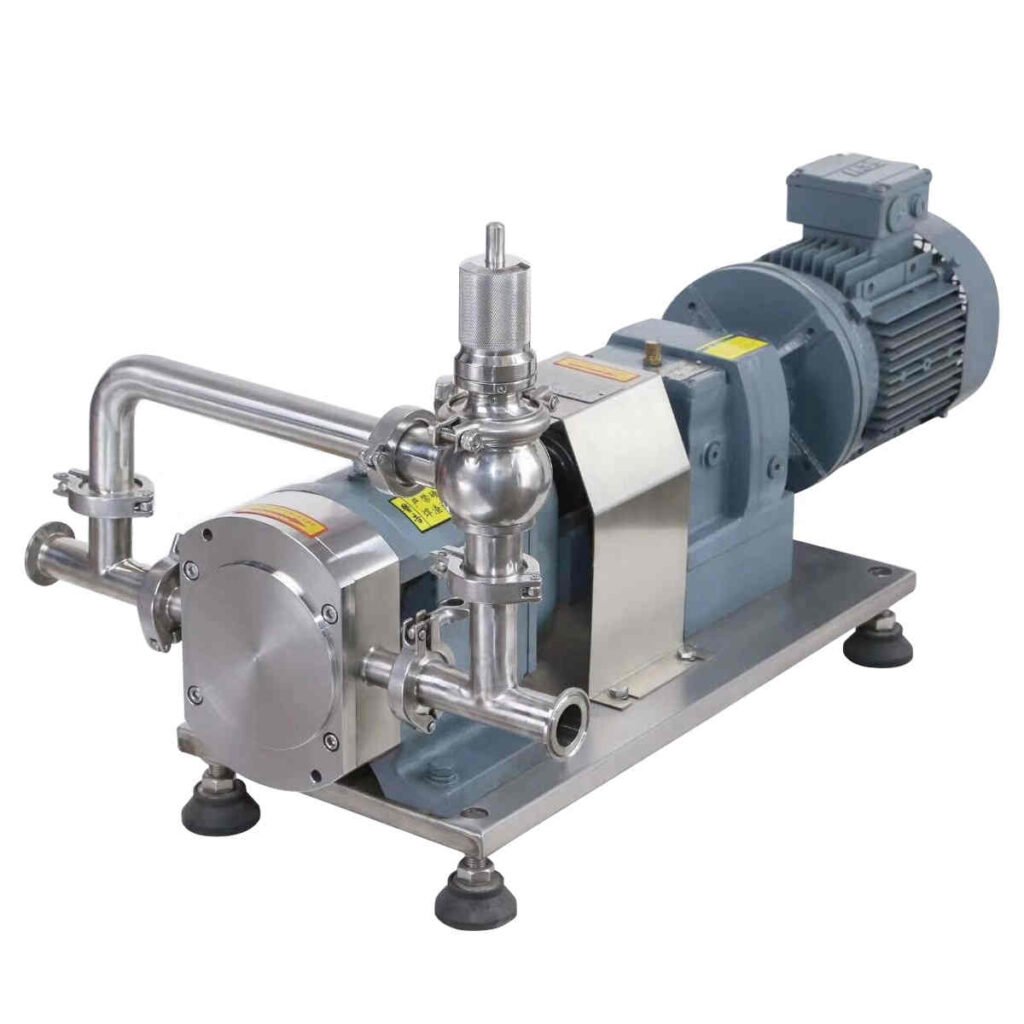
Rotary lobe pump for Wastewater & Environmental Applications
Robust lobe pumps handle the tough, variable, and often abrasive fluids found in waste treatment.
- Sludge & Biosolids Transfer: Dewatered or thickened sludge can be very viscous and contain stringy solids. Lobe pumps move it reliably.
- Digester Feeding/Recirculation: Handling anaerobic digester contents to promote treatment.
- Chemical Dosing: Precise metering of flocculants, polymers, and lime in treatment processes.
- Industrial Waste Handling: Transferring viscous by-products and waste streams from manufacturing.
Specialized Uses and Niche Applications
Beyond major industries, rotary lobe pumps solve specific challenges in unique settings.
High-Viscosity Fluid Transfer
From bitumen and asphalt (at elevated temperatures) to molasses and heavy oils, lobe pumps maintain efficient flow where centrifugal pumps would struggle.
Products Containing Solids or Fragile Particulates
Their generous clearances and gentle action allow them to pump products like:
- Fruit pie fillings (with whole berries)
- Vegetable soups and sauces
- Wastewater with rag debris
- Ceramic slips and glazes
Metering & Dosing Applications
When paired with variable frequency drives (VFDs) or precision controllers, lobe pumps provide accurate volumetric flow, making them suitable for:
- Adding flavors, colors, or vitamins into a main process stream.
- Precise chemical addition in water treatment or manufacturing.
- Packaging lines for filling containers with consistent volumes of product.
Choosing the Right Rotary Lobe Pump for Your Application
Selecting the correct pump ensures longevity and optimal performance. Consider these factors:
- Fluid Characteristics: Viscosity, temperature, abrasiveness, presence of solids, and shear sensitivity.
- Hygiene & Cleanability: Do you need a sanitary, aseptic, or industrial design? Determine CIP/SIP requirements.
- Materials of Construction: Rotors (stainless steel, PTFE-coated, elastomer) and seals (mechanical, lip, double) must be compatible with your fluid.
- Performance Parameters: Required flow rate (m³/h, GPM), pressure (bar, PSI), and suction conditions.
- Rotor Profile: Different lobe shapes (bi-wing, tri-lobe, multi-lobe) optimize for low shear, solids handling, or pulsation reduction.