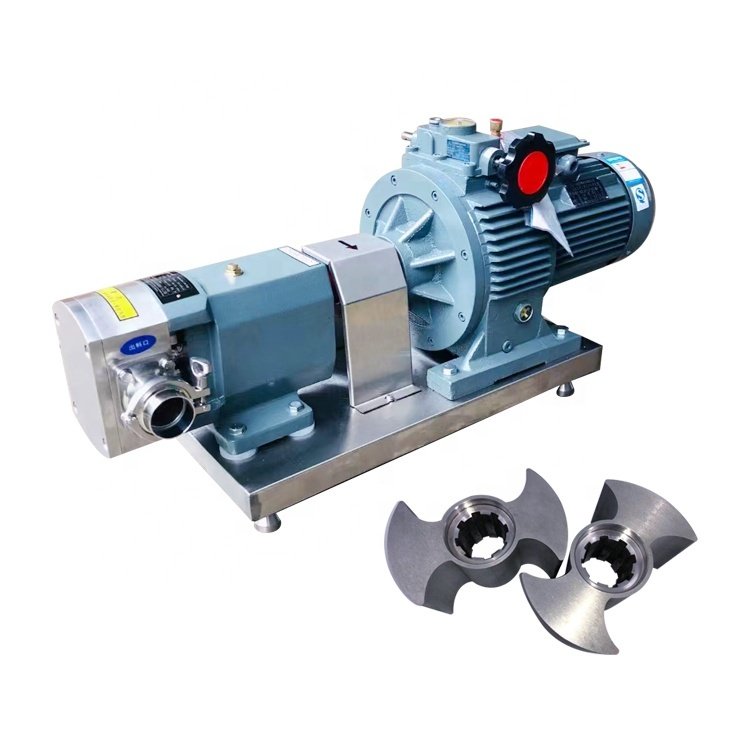
Rotary lobe pumps are celebrated across food, pharmaceutical, chemical, and wastewater industries for their gentle fluid handling, high efficiency, and hygienic design. However, like any precision-engineered positive displacement pump, operational issues can arise over time.
Whether your lobe pump is experiencing a drop in discharge pressure, unusual noise, mechanical seal leakage, or motor tripping, quick and accurate troubleshooting is key to preventing prolonged downtime and costly repairs.
This practical guide breaks down the most common rotary lobe pump failure modes, their root causes, and step-by-step corrective actions to keep your process running smoothly.
Common Lobe Pump Problems
The most common rotary lobe pump problems include:
- Lobe pump does not pump
- Mechanical Seal Leakage
- Low or insufficient flow
- Motor Overload or Power Tripping
- Excessive pressure
- Pump leakage
- Excessive vibration
- Pump overheating
- Frequent seal failure
- Rotor or lobe damage
- Pump cavitation
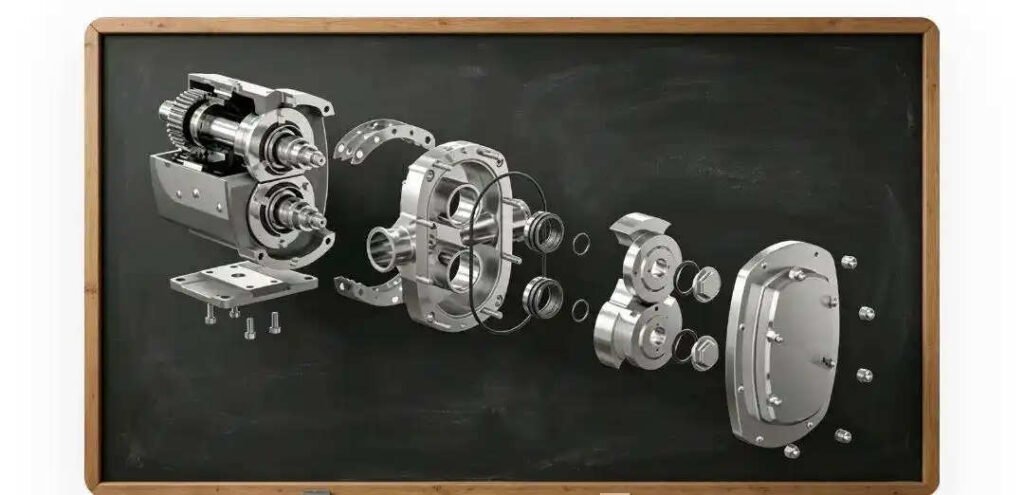
Lobe Pump Is Not Pumping
Possible Causes
Several conditions can cause a rotary lobe pump to run without producing flow:
- Pump is rotating in the wrong direction
- Suction valve is closed
- Discharge valve is closed
- Pump is not properly primed
- Suction pipe is blocked
- Air is entering the suction line
- Fluid level is too low
- Pump speed is too low
- Internal clearance is excessive
- Pump is operating outside its design conditions
Solutions
First, check the pump rotation direction. Rotary lobe pumps are positive displacement pumps, so incorrect rotation can significantly affect fluid movement.
Next, check all suction and discharge valves and make sure the suction line is free of blockages.
If the liquid level is too low, the pump may not receive enough fluid at the suction inlet.
For high-viscosity fluids, also check whether the suction piping is adequately sized. Excessive suction resistance can prevent the pump from receiving enough liquid.
Mechanical Seal Leakage
Possible Causes
- Damaged or Worn Seal Faces
- Dry Running Without Flush
- Dry Running Without Flush
Solutions
- Replace damaged seal faces and O-rings. Ensure elastomer materials (EPDM, Viton, Kalrez) are chemically compatible with the process fluid and CIP cleaning solutions
- Install a double mechanical seal with a pressurized barrier/flush system if the pump runs dry during line clearing or tank stripping.
- Verify system discharge relief valves are open and unblocked; ensure downstream manual valves are not closed during start-up

Low or insufficient flow
Possible Causes
Low flow can be caused by:
- Insufficient pump speed
- Excessive suction resistance
- Clogged suction piping
- Air leakage
- Excessive internal wear
- Incorrect pump selection
- High fluid viscosity
- Excessive discharge pressure
- Damaged lobes
- Incorrect operating clearance
Troubleshooting Steps
Start by checking the actual pump speed.
If the pump is driven by a variable-frequency drive, verify the frequency and motor speed.
Then inspect the suction system. A partially blocked suction pipe, undersized piping, or clogged filter can restrict the amount of liquid entering the pump.
Internal wear can also reduce flow because excessive clearance between the lobes and casing allows more liquid to slip backward from the discharge side to the suction side.
For viscous fluids, increasing pump speed is not always the best solution. Excessive speed can increase suction losses and create cavitation.
Motor Overload or Power Tripping
Possible Causes
- Product Viscosity Higher Than Expected
- Product Viscosity Higher Than Expected
- Internal Binding / Mechanical Jamming
Solutions
- Heat the product to reduce viscosity, reduce pump speed using a Variable Frequency Drive (VFD), or install a larger horsepower motor.
- Inspect discharge lines, clear strainers, and ensure heat tracing is working on lines conveying temperature-sensitive media (like melted chocolate or wax).
- Isolate power, dismantle the front cover, remove foreign debris, and check for scoring. Ensure the pump has sufficient “hot clearance” rotors if operating at elevated temperatures (> 100C).
Excessive Discharge Pressure
Possible Causes
Excessive pressure can result from:
- Closed discharge valve
- Blocked discharge pipe
- Clogged filter
- Excessively viscous fluid
- Incorrect piping design
- Excessive pump speed
- Pressure relief system malfunction
Solution
Check the discharge system immediately.
A suitable pressure relief valve or safety bypass system should be installed where required by the pump design.
Operators should never rely on simply stopping the motor after pressure has already reached an unsafe level.
Pump leakage
Common Causes
- Mechanical seal wear
- Incorrect seal installation
- Dry running
- Excessive pressure
- Shaft misalignment
- Damaged O-rings
- Excessive shaft movement
- Incorrect seal material
Solutions
For chemical applications, seal material is particularly important.
The seal must be compatible with the pumped fluid, temperature, pressure, and cleaning chemicals.
If leakage occurs shortly after replacing a mechanical seal, check whether the seal was installed correctly and whether the shaft or seal chamber has been damaged.
Excessive vibration
Possible causes
- Shaft misalignment
- Bearing wear
- Damaged lobes
- Pump cavitation
- Loose foundation bolts
- Motor problems
- Coupling problems
- Excessive operating pressure
- Foreign material inside the pump
Solutions
Check the pump and motor alignment first.
Also inspect the coupling, bearings, foundation, and piping supports.
Piping should not impose excessive external forces on the pump casing.
Lobe Pump Overheating
Possible Causes
- Excessive discharge pressure
- Insufficient lubrication
- Bearing failure
- Excessive speed
- Dry running
- High fluid temperature
- Mechanical seal problems
- Rotor contact
- Excessive friction
Solutions
If the pump becomes unusually hot, stop the pump and identify the source of heat before continuing operation.
Operating a rotary lobe pump under excessive pressure can increase torque requirements and motor load, resulting in overheating.
Frequent mechanical seal failure
Possible causes
- Dry running
- Excessive pressure
- Incorrect seal material
- Improper installation
- Shaft misalignment
- Excessive vibration
- High temperature
- Abrasive particles
- Inadequate seal flushing
Solution
For abrasive or crystallizing fluids, the sealing system should be selected according to the actual process conditions.
Lobe or Rotor Damage
Possible causes
- Foreign objects
- Incorrect assembly
- Incorrect operating clearance
- Bearing failure
- Shaft deformation
- Excessive pressure
- Improper synchronization
Solutions
If the lobes contact the casing, stop the pump immediately.
Continued operation can cause significant damage to the rotors, casing, bearings, and drive system.
Lobe Pump Cavitation
Possible causes
- Unusual noise
- Vibration
- Reduced flow
- Unstable pressure
- Reduced pump performance
- Damage to internal components
Solutions
- Reduce pump speed
- Increase suction pipe diameter
- Shorten the suction pipeline
- Reduce the number of suction elbows
- Clean the suction filter
- Reduce fluid temperature when possible
- Improve the suction head
- Select a pump suitable for the fluid viscosity
For high-viscosity products, the suction-side piping design is especially important.
Lobe Pump Troubleshooting: Problems, Causes and Solutions
| Lobe Pump Problem | Possible Causes | Recommended Solutions / Checks |
|---|---|---|
| Lobe Pump Is Not Pumping | Wrong rotation direction; closed suction/discharge valve; pump not primed; blocked suction pipe; air entering suction line; low fluid level; low pump speed; excessive internal clearance | Check motor rotation; open and check valves; prime the pump; inspect suction piping; eliminate air leaks; ensure adequate liquid level; verify pump speed and internal clearance |
| Low or Insufficient Flow | Low pump speed; excessive suction resistance; clogged suction pipe or filter; air leakage; internal wear; high viscosity; excessive discharge pressure; damaged lobes; incorrect clearance | Check pump speed and VFD frequency; clean suction line/filter; check for air leakage; inspect lobes and casing; reduce suction resistance; verify pump selection and operating conditions |
| Low Discharge Pressure | Low pump speed; internal leakage/slip; worn lobes; damaged casing; open bypass valve; excessive internal clearance; incorrect pump selection | Check pump speed and pressure gauge; inspect internal components; check bypass/relief system; measure internal clearances; confirm pump selection |
| Excessive Discharge Pressure | Closed discharge valve; blocked discharge pipe; clogged filter; high-viscosity product; excessive pump speed; incorrect piping; relief valve malfunction | Stop the pump if pressure reaches an unsafe level; check discharge piping and valves; clean filters; verify viscosity and speed; inspect pressure relief/bypass system |
| Mechanical Seal Leakage | Damaged or worn seal faces; dry running; insufficient flushing; excessive pressure; incorrect seal material; shaft misalignment; damaged O-rings | Replace damaged seal faces and O-rings; verify seal compatibility with product and CIP chemicals; provide suitable flush/barrier system; check shaft alignment and operating pressure |
| Frequent Mechanical Seal Failure | Dry running; excessive pressure; incorrect seal material; improper installation; vibration; high temperature; abrasive particles; inadequate flushing | Review operating conditions; verify seal material; inspect installation and shaft condition; improve seal flushing; consider a double mechanical seal for demanding applications |
| Motor Overload / Power Tripping | Product viscosity higher than expected; excessive discharge pressure; excessive pump speed; internal binding; foreign objects; bearing problems | Check actual viscosity and pressure; reduce speed with a VFD where appropriate; clear blocked strainers/piping; inspect pump internals; check bearings and mechanical components; verify motor sizing |
| Excessive Noise | Cavitation; bearing damage; insufficient lubrication; rotor contact; excessive speed; foreign objects; excessive pressure; misalignment | Check suction conditions and NPSH; inspect bearings and lubrication; reduce pump speed if appropriate; inspect rotors for contact or foreign material; check alignment |
| Excessive Vibration | Shaft misalignment; bearing wear; cavitation; damaged lobes; loose foundation bolts; coupling problems; motor problems; foreign material | Check pump and motor alignment; inspect coupling and bearings; tighten foundation bolts; check suction conditions; inspect rotors and pump chamber |
| Lobe Pump Overheating | Excessive discharge pressure; insufficient lubrication; bearing failure; excessive speed; dry running; high fluid temperature; seal problems; rotor contact; excessive friction | Stop the pump and identify the heat source; check pressure, speed, lubrication and bearings; inspect mechanical seal and rotor clearance; verify fluid temperature |
| Lobe / Rotor Damage | Foreign objects; incorrect assembly; incorrect clearance; bearing failure; shaft deformation; excessive pressure; incorrect rotor synchronization | Stop the pump immediately if rotor-to-casing contact occurs; inspect lobes, casing, shaft and bearings; remove foreign material; verify rotor synchronization and clearances |
| Lobe Pump Cavitation | Excessive suction resistance; undersized suction pipe; clogged filter; excessive pump speed; high fluid temperature; high viscosity; insufficient suction head | Reduce pump speed; increase suction pipe diameter; clean filters; shorten suction piping; reduce unnecessary elbows; improve suction conditions; verify pump suitability for fluid viscosity |
| Pump Leakage | Mechanical seal wear; damaged O-rings; incorrect seal installation; excessive pressure; shaft movement; incorrect seal material | Inspect mechanical seals and O-rings; verify installation; check shaft movement and alignment; confirm material compatibility with the pumped fluid and cleaning chemicals |