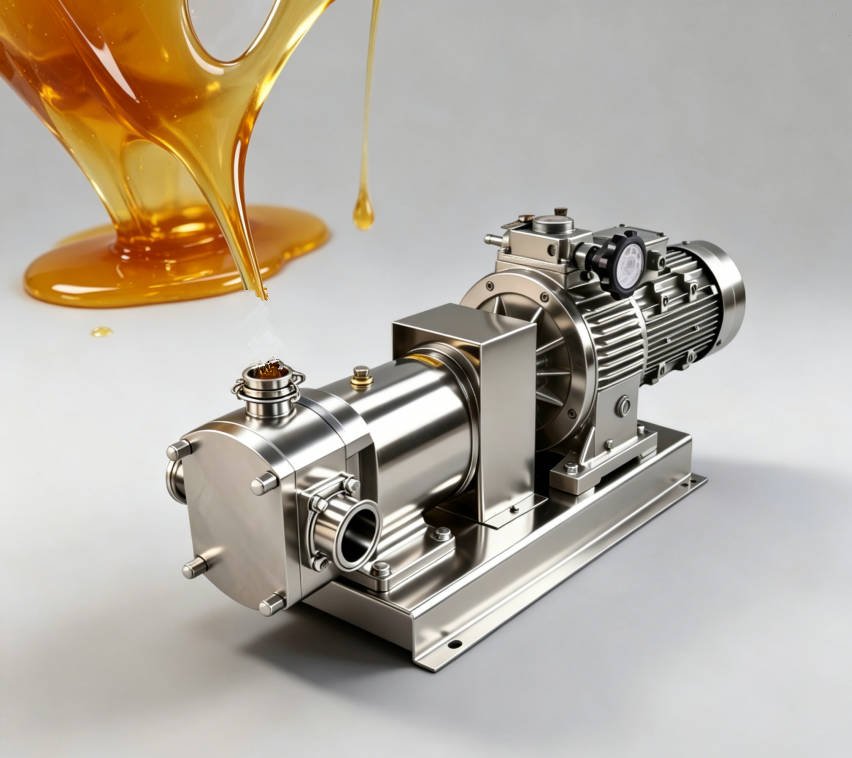
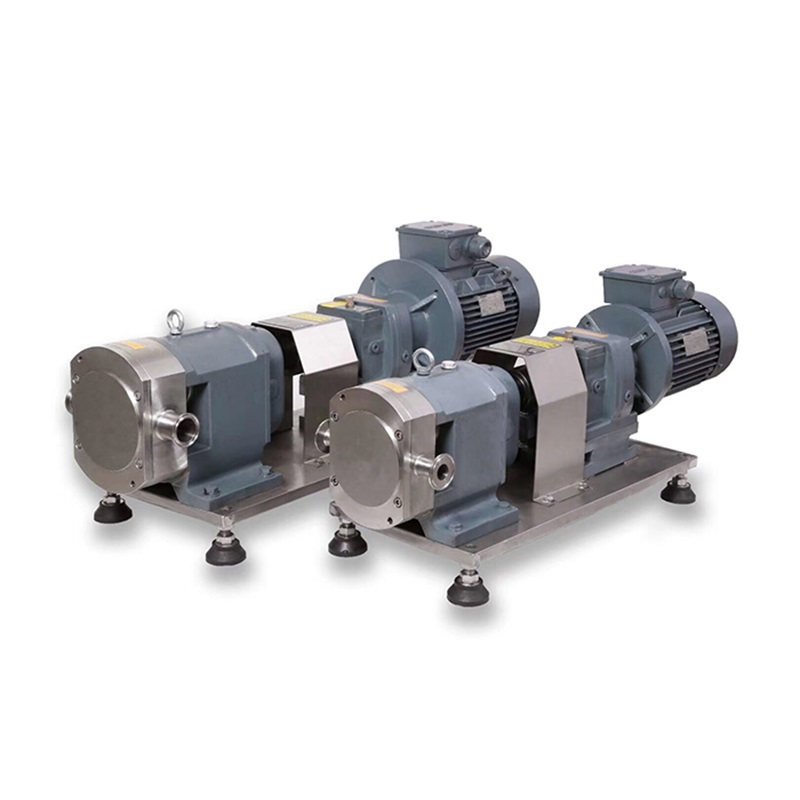
When it comes to transferring high viscosity slurry with solids, industrial operations face unique challenges—clogging, low efficiency, excessive wear, and inconsistent flow. The high efficiency lobe pump for slurry is engineered to solve these pain points, delivering reliable performance, energy savings, and long service life for applications handling high viscosity fluids with suspended solids. Unlike centrifugal pumps that struggle with thick, solids-laden slurries, lobe pumps use a positive displacement design to ensure smooth, pulse-free transfer, making them the ideal solution for industries ranging from mining and wastewater treatment to chemical processing and construction.
What Makes a High Efficiency Lobe Pump Ideal for High Viscosity Slurry With Solids?
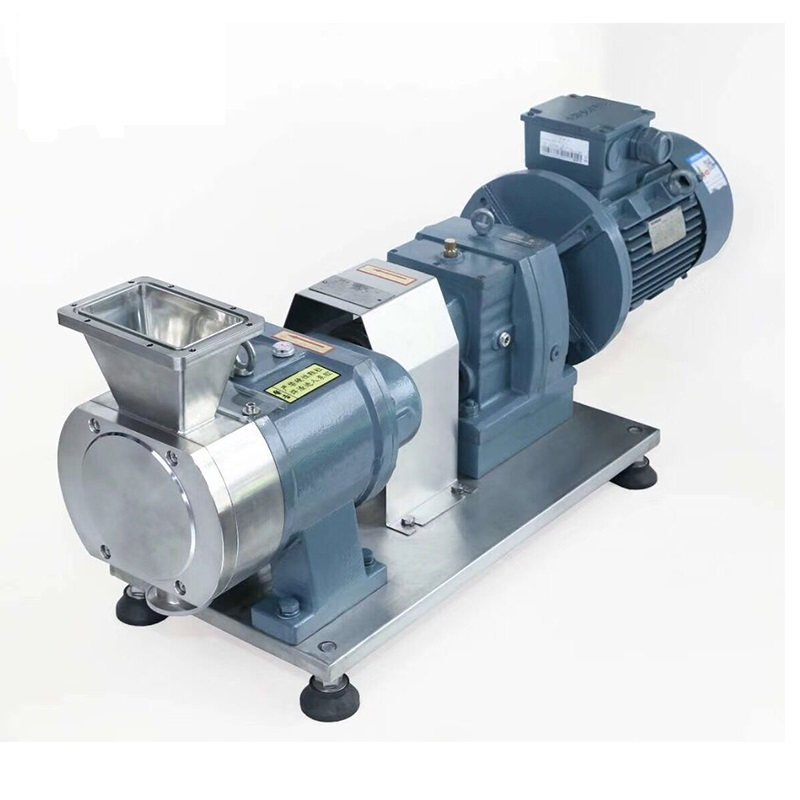
High efficiency lobe pump for slurry is specifically designed to handle the demands of high viscosity slurry containing solids, thanks to their unique mechanical structure and performance features. Unlike gear pumps or diaphragm pumps, lobe pumps operate with non-contacting rotating lobes that create expanding and contracting cavities, drawing in and displacing slurry without shearing or damaging suspended solids. This design not only prevents clogging but also maintains consistent flow rates even as viscosity and solids content fluctuate—key to achieving high efficiency in tough industrial applications.
Key Design Features for Lobe Pump for Slurry
Helical four-wing lobes provide low shear flow, ensuring gentle handling of even fragile solids and preventing emulsification of high viscosity fluids. The non-contacting lobes and pump casing eliminate friction, reducing energy consumption and wear, while interchangeable nozzles allow customization for specific application needs. Additionally, separate oil chambers for timing gears and bearings protect critical components from slurry contamination, extending pump life and reducing maintenance downtime.
Managing High Solids Content without Clogging
Industrial slurries often contain “suspended solids”—anything from sand and grit to biological waste or chemical crystals. A standard pump can easily “bind” when these solids get caught in tight clearances.
Solids-Handling Rotor Designs
Modern lobe pump for slurry utilize specialized rotor geometries to handle particles:
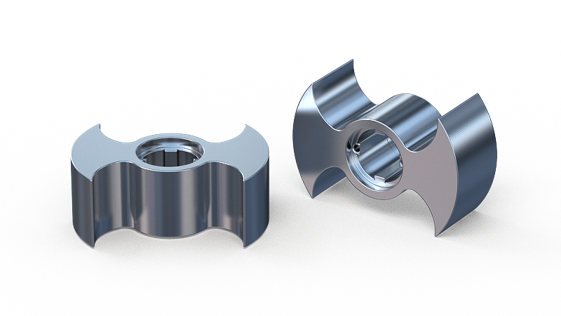
- Bi-Wing Rotors: These offer larger cavities between the lobes, allowing them to pass larger solids (up to several centimeters) without crushing the material or jamming the pump.
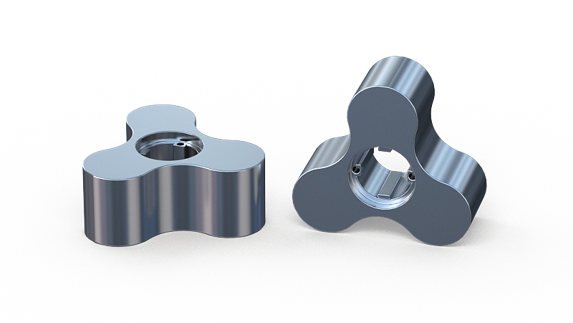
- Tri-Lobe Rotors: These provide a smoother flow with less pulsation, ideal for slurries where consistent pressure is required for downstream filtration.
Abrasion Resistance and Hardening
When pumping abrasive slurries, the “High Efficiency” label comes from the pump’s ability to resist wear. Leading manufacturers use hardened stainless steel or tungsten carbide coatings on the lobes and wear plates. This ensures that the microscopic “grit” in the slurry doesn’t erode the internal clearances, which would otherwise cause a drop in pressure and efficiency.
Key Features for Heavy-Duty Slurry Applications
To get the most out of a lobe pump for slurry installation, several technical features must be integrated into the system:
Maintenance-in-Place (MIP)
In high-solids applications, wear is inevitable. High-efficiency pumps feature a front-loading design. This allows technicians to open the pump head and replace the lobes or seals without disconnecting the heavy industrial piping, reducing downtime from hours to minutes.
Advanced Sealing Systems
Slurries are notoriously hard on seals. If grit enters the seal chamber, it acts like sandpaper. Efficiency-focused lobe pump for slurry use double mechanical seals with a pressurized quench or flush system. This creates a clean “buffer zone” that prevents the slurry from ever touching the seal faces.
| Feature | Impact on Slurry Performance |
| Reversible Flow | Allows operators to easily clear blockages by reversing the motor direction. |
| Replaceable Wear Plates | Protects the main housing from abrasive erosion, extending the pump’s lifespan. |
| Jacketed Housing | Maintains the temperature of thick resins or bitumen to keep them in a fluid state. |
Summary for the Plant Manager
Choosing a high-efficiency lobe pump for slurry isn’t just about the initial purchase price; it’s about Total Cost of Ownership. By selecting a pump with non-contacting lobes, MIP design, and hardened wear parts, you reduce energy consumption and eliminate the frequent “clogging” issues that plague cheaper centrifugal alternatives.