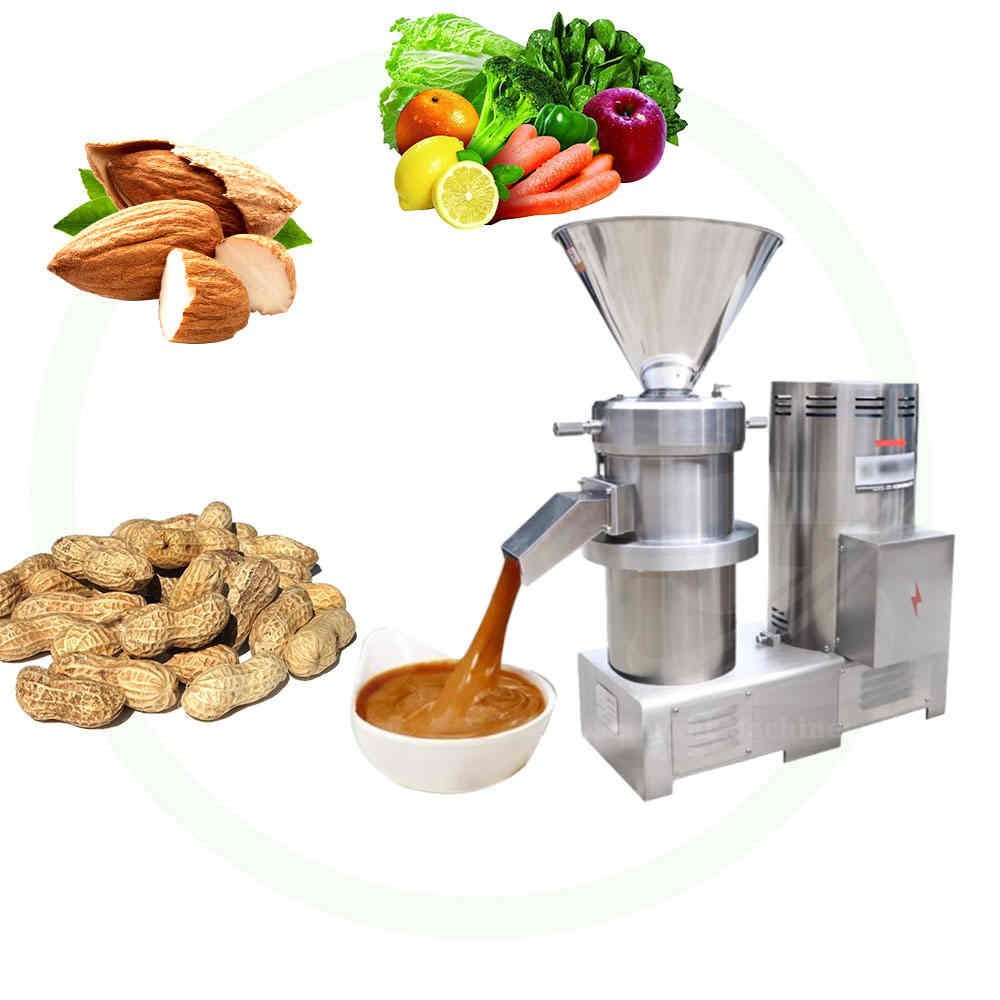
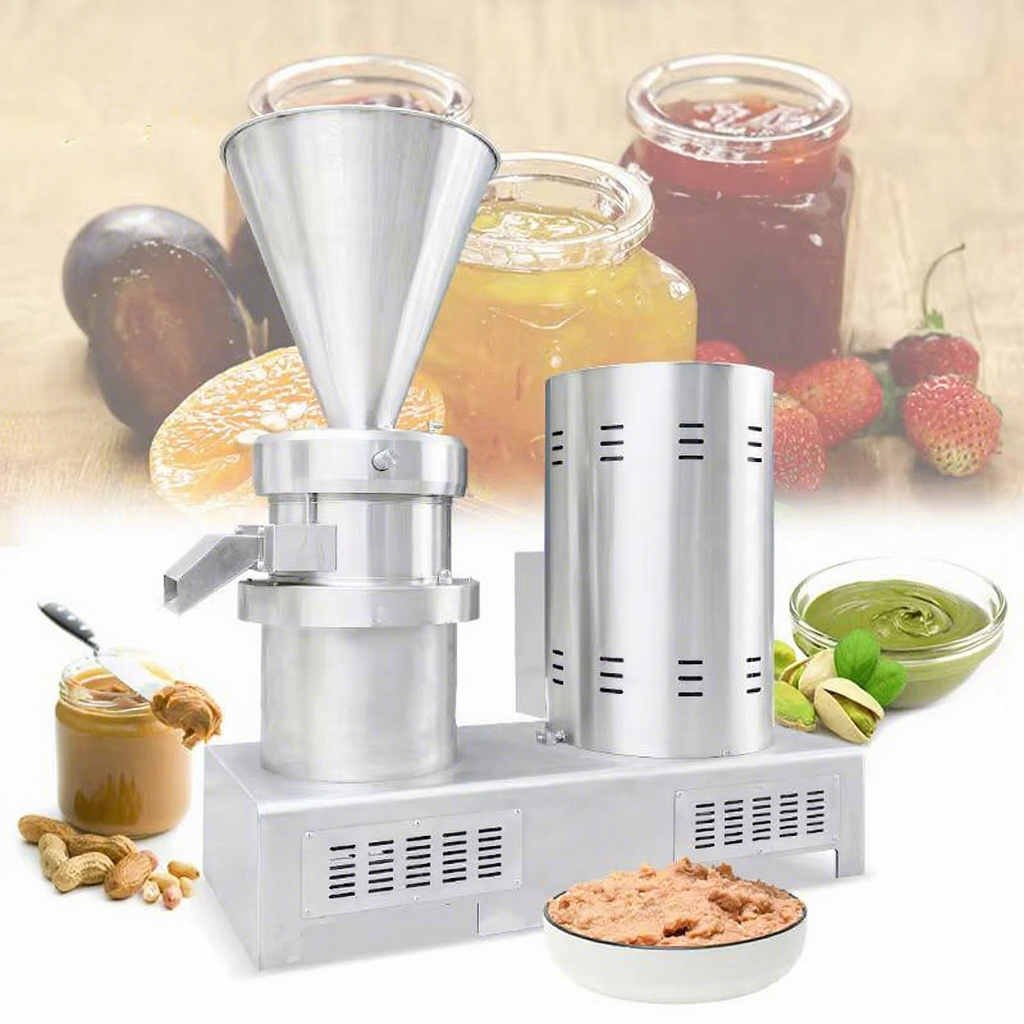
In the pharmaceutical and cosmetic industries, the quality of cream and ointment products directly depends on the fineness, uniformity, and stability of their mixtures. A high-performance colloid mill machine is a critical piece of equipment that ensures these standards are met, enabling manufacturers to produce high-quality, consistent products that meet regulatory requirements.
Why Use a Colloid Mill Machine for Creams and Ointments?
Creams and ointments are complex emulsions that combine oil and water phases with solid active pharmaceutical ingredients (APIs) or cosmetic pigments. Without proper high-shear processing, these components can separate or result in a “gritty” texture.
Particle Size Reduction & Homogenization
The primary function of a colloid mill machine is to achieve ultra-fine particle size reduction (1–5 microns). By shearing the material through a microscopic, adjustable gap, the machine breaks down agglomerates and droplets. This leads to:
- Improved Bioavailability: Smaller API particles are more easily absorbed by the skin.
- Enhanced Texture: Creates the “silky” feel required for luxury cosmetics.
- Phase Stability: Prevents “creaming” or oil separation over time.
Handling High-Viscosity Materials
Unlike standard mixers or high-pressure homogenizers that struggle with thick pastes, the colloid mill thrives on high-viscosity materials. It can process heavy ointments and thick emulsions that would otherwise stall less robust equipment.
Key Features of Colloid Mill Machines for Cream & Ointment Production
Not all colloid mills are designed equally—those tailored for cream and ointment production come with specific features that address the unique needs of these products. Below are the most important features to look for:
High Shear Grinding Technology
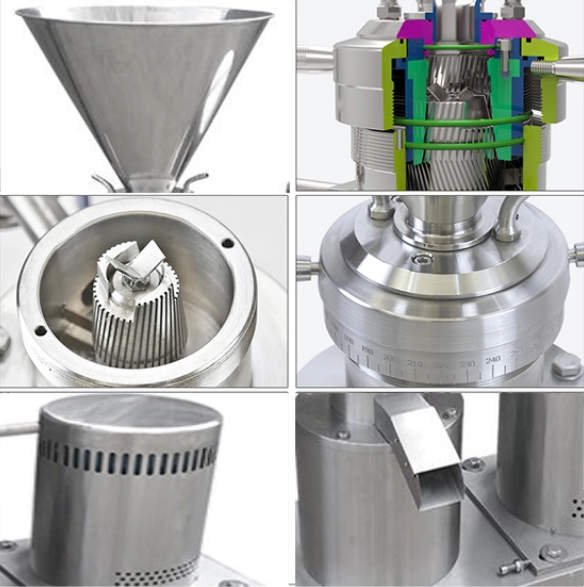
The core of a colloid mill for cream and ointment production is its high shear grinding system. The rotor and stator are precision-engineered to create narrow gaps (as small as 0.1mm), generating intense shear forces that break down large particles into fine, uniform sizes. This ensures that active ingredients (such as medications in pharmaceutical ointments or vitamins in cosmetic creams) are evenly distributed, maximizing their effectiveness and ensuring consistent product performance.
Sanitary & Food-Grade Construction
Pharmaceutical and cosmetic products require strict adherence to hygiene standards (such as GMP, FDA, and CE certifications). Colloid mill machines for cream and ointment production are typically made of food-grade stainless steel (SS304 or SS316L), which is corrosion-resistant, easy to clean, and non-toxic. The equipment is designed with smooth surfaces, no dead corners, and detachable parts, making it easy to sanitize between batches and prevent cross-contamination.
Cooling System for Temperature-Sensitive Materials
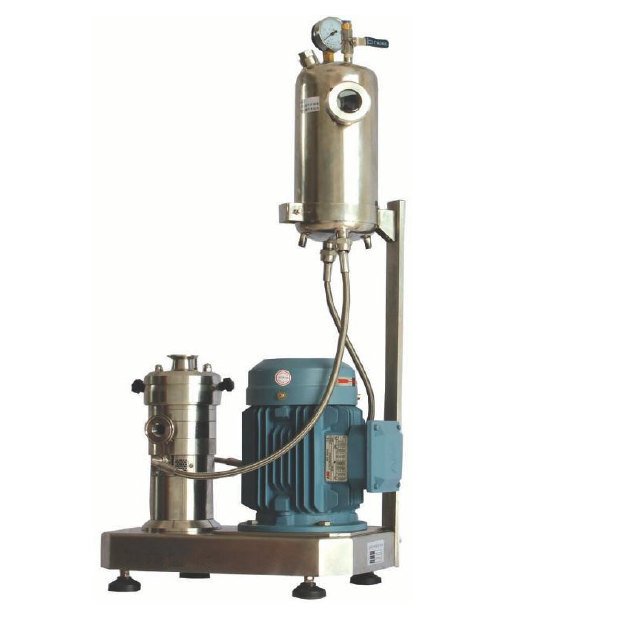
Many creams and ointments contain temperature-sensitive ingredients (such as vitamins, hormones, or natural extracts) that can degrade when exposed to heat. Colloid mill machines for these applications are equipped with built-in cooling systems (water or air-cooled) that regulate the temperature during processing. This prevents overheating, preserves the integrity of active ingredients, and ensures the final product maintains its quality and effectiveness.
Applications of Colloid Mill Machines in Cream & Ointment Production
Pharmaceutical Ointments
In the pharmaceutical industry, colloid mills are used to produce medicinal ointments, such as antibiotic ointments, anti-inflammatory creams, and wound-healing balms. The machine ensures that active pharmaceutical ingredients (APIs) are evenly dispersed, ensuring accurate dosage and maximum effectiveness. The sanitary construction also meets GMP standards, making it suitable for sterile pharmaceutical production.
Cosmetic Creams & Lotions
For the cosmetic industry, colloid mills are used to produce facial creams, body lotions, moisturizers, and anti-aging products. The ultra-fine grinding action creates a smooth, lightweight texture that is easily absorbed by the skin, enhancing the product’s performance and user experience. The machine can also process natural ingredients (such as plant extracts and essential oils) without damaging their properties.
Medical Creams & Topical Treatments
Colloid mills are also used to produce medical creams for topical treatments, such as acne creams, eczema treatments, and sunscreens. The uniform dispersion of active ingredients ensures that the product is effective across the entire application area, while the cooling system preserves the integrity of temperature-sensitive ingredients like sunblock agents.
Conclusion
A colloid mill machine is an essential piece of equipment for any pharmaceutical or cosmetic manufacturer producing creams and ointments. Its ability to deliver ultra-fine grinding, uniform emulsification, and sanitary processing ensures high-quality, consistent products that meet regulatory standards. By choosing the right machine—with features like high shear technology, sanitary construction, adjustable fineness, and a cooling system—you can enhance production efficiency, reduce costs, and gain a competitive edge in the market.
Whether you’re a small-scale manufacturer or a large industrial facility, investing in a high-performance colloid mill machine for cream and ointment production is a smart decision that will deliver long-term value. With the right equipment, you can produce products that meet the highest quality standards and satisfy the needs of your customers.