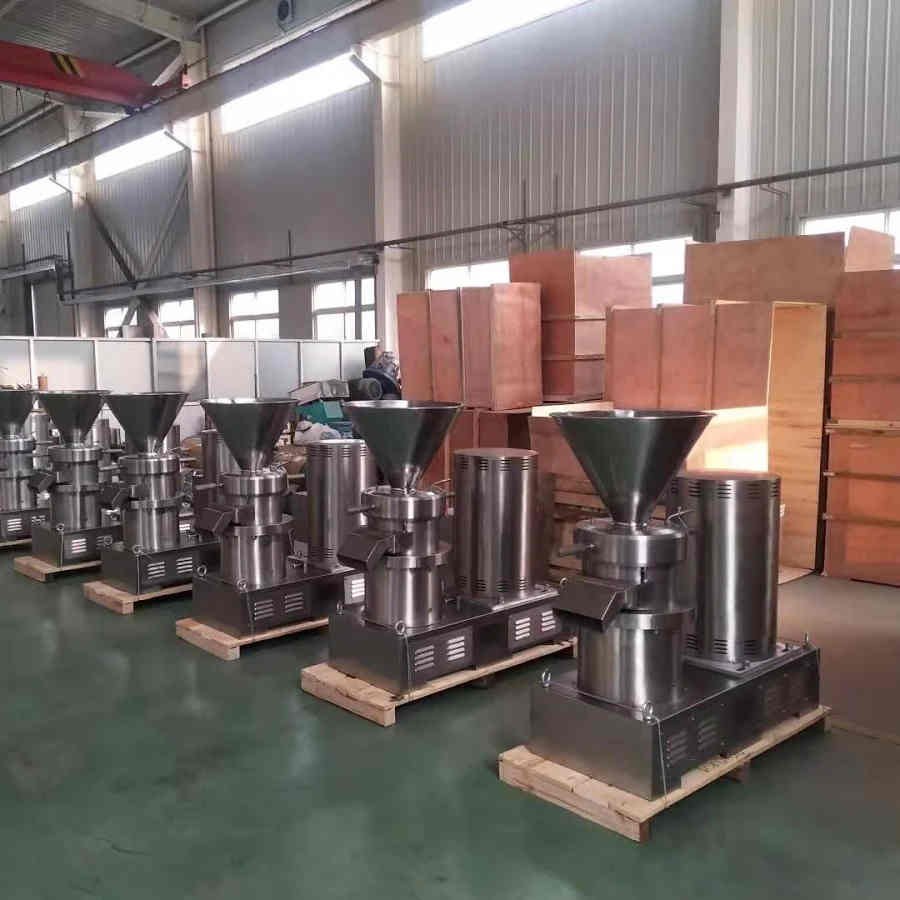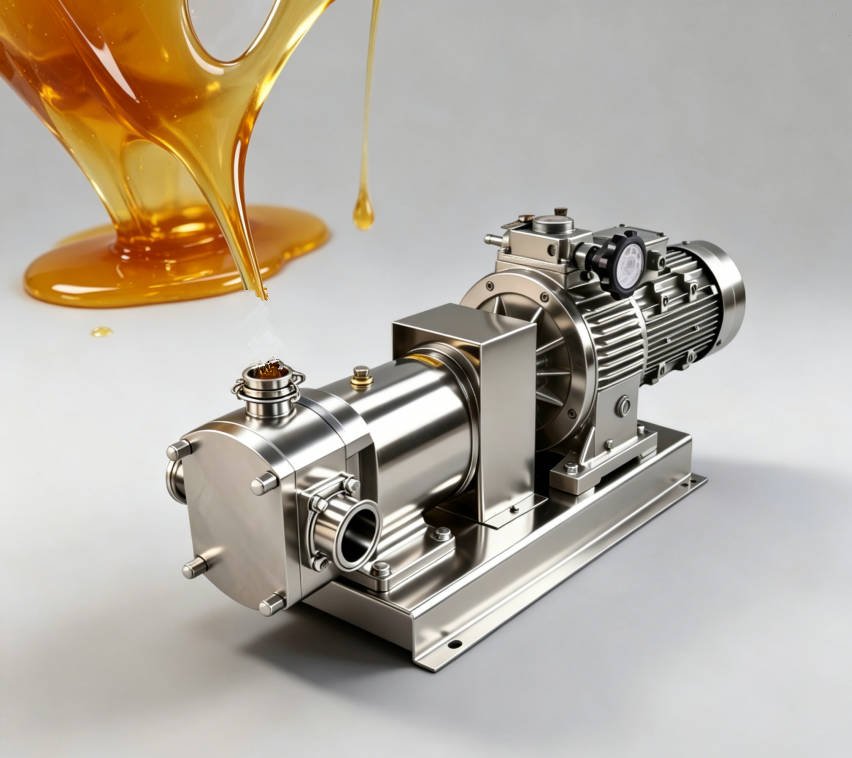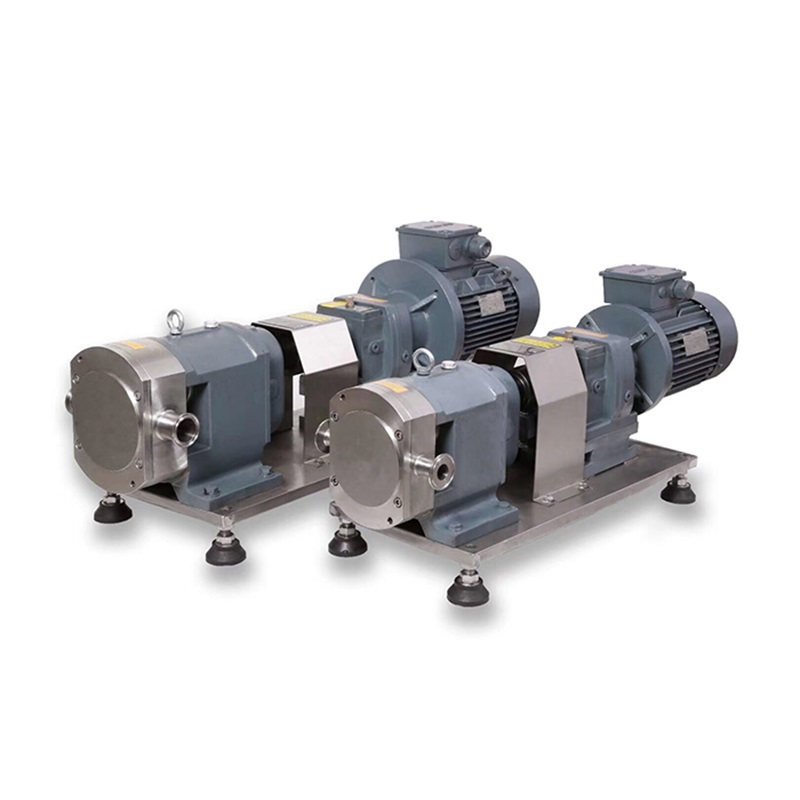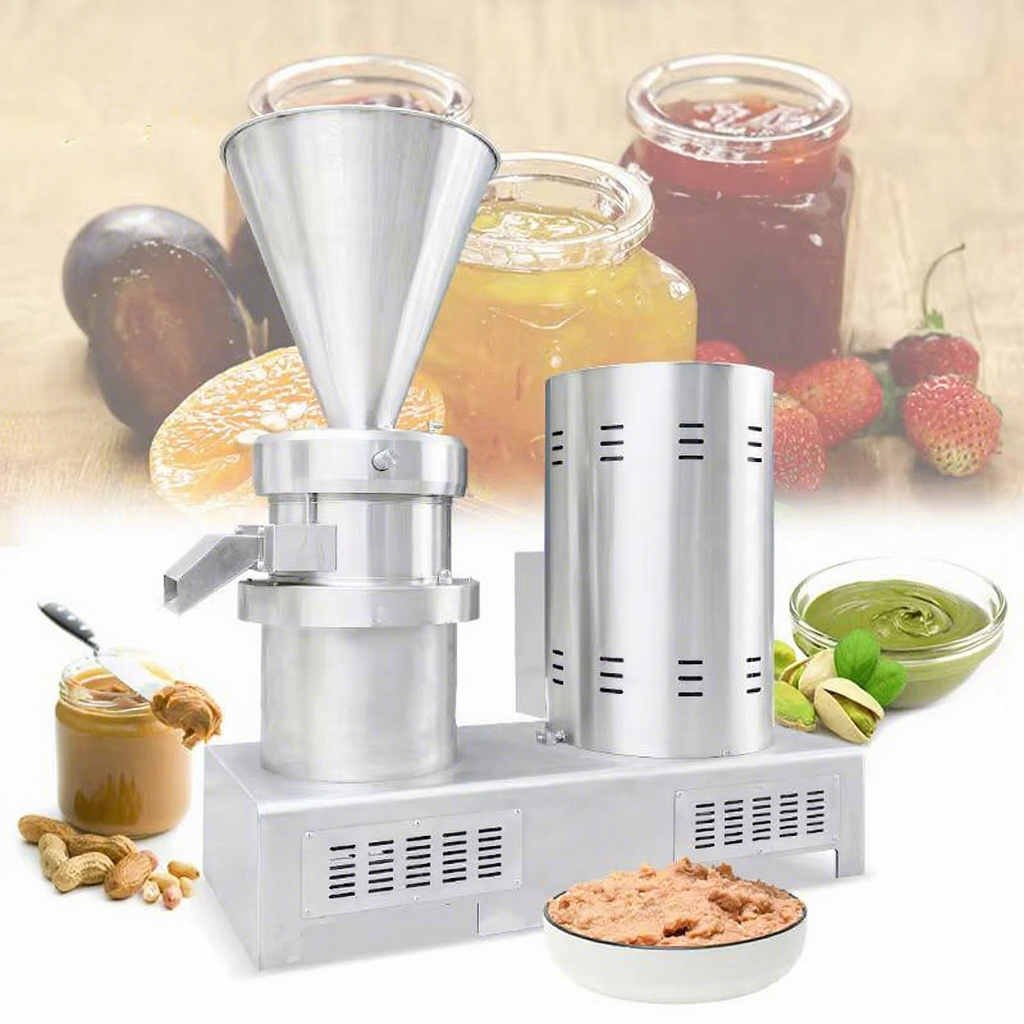
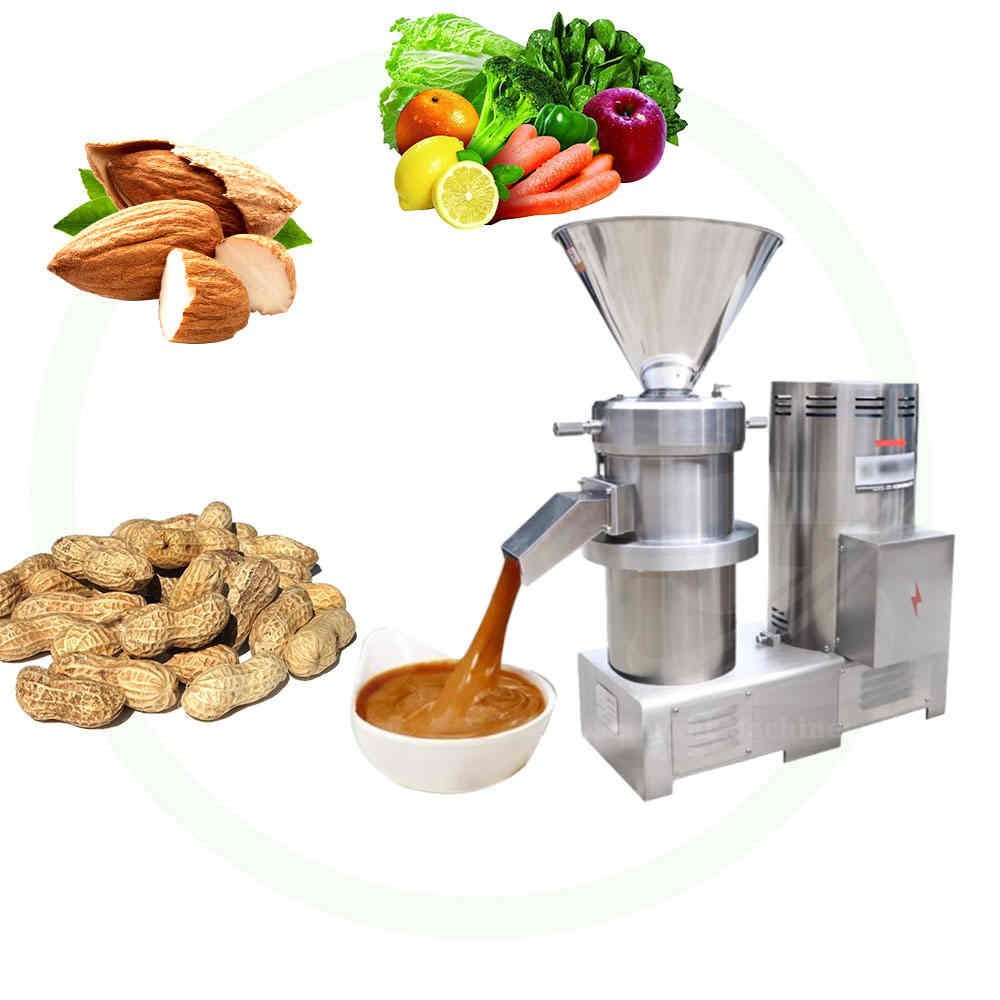
Peanut butter, a popular food among consumers, is highly sought after for its smooth texture and rich nutritional value. In the peanut butter production process, the peanut butter colloid mill plays a crucial role as a key processing piece of equipment. This article will focus on the supply of peanut butter colloid mills, exploring their working principles, application areas, and market prospects.
Workflow for Peanut Butter Colloid Mill
Feeding: Raw materials such as peanuts enter the grinding chamber through the feed inlet.
Grinding: The high-speed rotating grinding disc contacts the material, generating strong shearing force to grind the material into a fine paste.
Discharge: The ground paste flows out through the discharge outlet, completing the processing.
How a Colloid Mill Revolutionizes Peanut Butter Production
Unlike traditional stone grinders or hammer mills, a peanut butter colloid mill operates on the principle of rotor-stator homogenization. This process is specifically designed for wet-milling materials with high oil content, like peanuts.

Practical precautions for process of peanut butter colloid mill
Pre-production Inspection
First, strictly check the core contact components of the equipment. The peanut butter colloid mill colloid mill chamber, rotor, and stator must be clean, free of residue, rust, hard impurities, and signs of impact. Metal shavings, clumps of old material, and mud/debris must be strictly prohibited inside to prevent scratches on the high-precision grinding head during grinding and to avoid impurities contaminating the peanut butter and causing food safety hazards.
Second, calibrate the grinding head gap in advance, precisely fine-tuning it according to the finished peanut butter process requirements. Strictly control the gap value; too large a gap can lead to coarse paste particles and oil separation, while too small a gap will increase the motor load, cause rapid heating and burning of the material, and accelerate abnormal wear of the grinding discs.
Third, conduct comprehensive inspections of all auxiliary equipment, checking that the circulating cooling water system is unobstructed and leak-free, that seals are intact and properly fitted without aging or loosening, and that grounding lines are compliant and reliable, to prevent electrical leakage, high-temperature heat buildup in the chamber, and material leakage during production.
Fourth, conduct a no-load jog test run for no more than 30 seconds, observing that the equipment operates without abnormal noise or vibration and that the speed is stable before connecting to the raw material feeding process; directly starting the machine under heavy load with material is strictly prohibited.
Raw Material Pretreatment Control
Peanut butter colloid mills are only suitable for compliantly pretreated peanut raw materials. Substandard raw materials will directly degrade the equipment’s performance and lower the quality of the peanut butter. Strict control is maintained over three core raw material standards throughout the process.
Start-up and Grinding Operation:
The core control points for continuous mass production using a peanut butter colloid mill focus on three dimensions: constant temperature, uniform speed, and stable feed, with closed-loop control throughout the entire process.
Real-time Control of Finished Product Output and Quality:
Immediate quality inspection during the grinding and output stage eliminates the need for rework, effectively reducing mass production losses. The output port remains clean and sealed throughout the process, isolating it from workshop dust, moisture, and cross-contamination by bacteria, adhering to food workshop safety production standards and upholding food compliance standards. Random sampling and immediate testing of the output peanut butter focuses on checking its smoothness, fluidity, and color uniformity, observing for any scattered particles or slight oil-water separation. If the texture is too coarse or shows obvious signs of separation, no machine shutdown is required; minor adjustments to the grinding head gap can quickly correct the issue and meet order quality requirements. Simultaneously, the output conveyor flow rate is controlled, connecting seamlessly with downstream filtration, mixing, and filling processes. This prevents the finished peanut butter from being stored openly for extended periods, reducing oxidation, discoloration, aroma loss, and surface crust formation, ensuring consistent quality across the entire batch.
Post-Shift Cleaning and On-Site Maintenance
Proper shutdown cleaning and maintenance after each shift directly determines the equipment’s lifespan and the hygiene and safety of the next shift, eliminating potential hazards.
Safety Production and Compliance Prohibitions
Strictly adhere to production safety and equipment operation red line regulations, eliminating all violations to ensure the safety of personnel, equipment, and finished products.
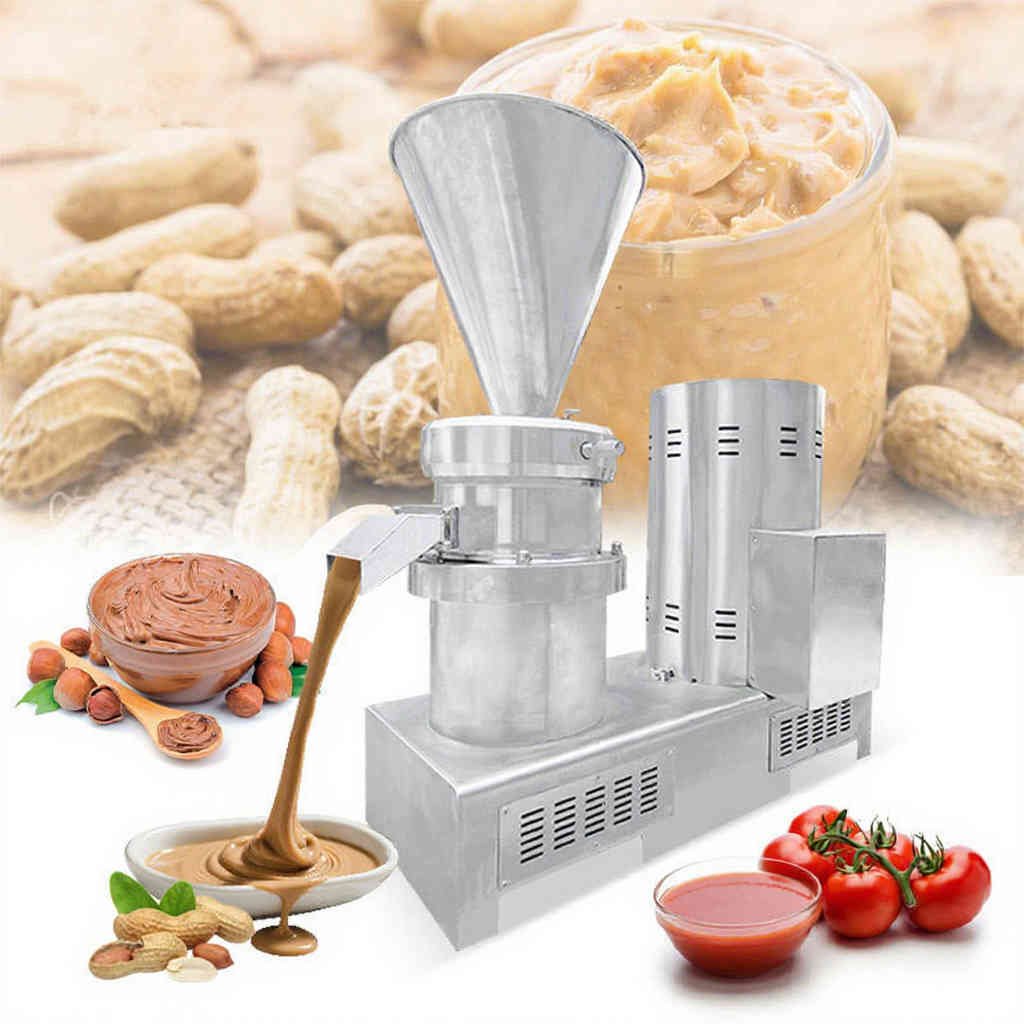
Top-Rated Industrial Peanut Butter Colloid Mills
Based on current industrial standards, these models are highly recommended for their durability and consistent output:
The NEWAFLUIDS NMF80 Peanut Butter Colloid Mill is a heavyweight Horizontal unit designed for continuous commercial use. It is built to handle the high-viscosity demands of nut processing with minimal maintenance. It features a high-torque motor capable of processing up to 1000kg/hour, making it a staple for established food brands requiring 24/7 reliability.