Why Positive Displacement Rotary Lobe Pumps Are Critical for Syrup Processing Lines
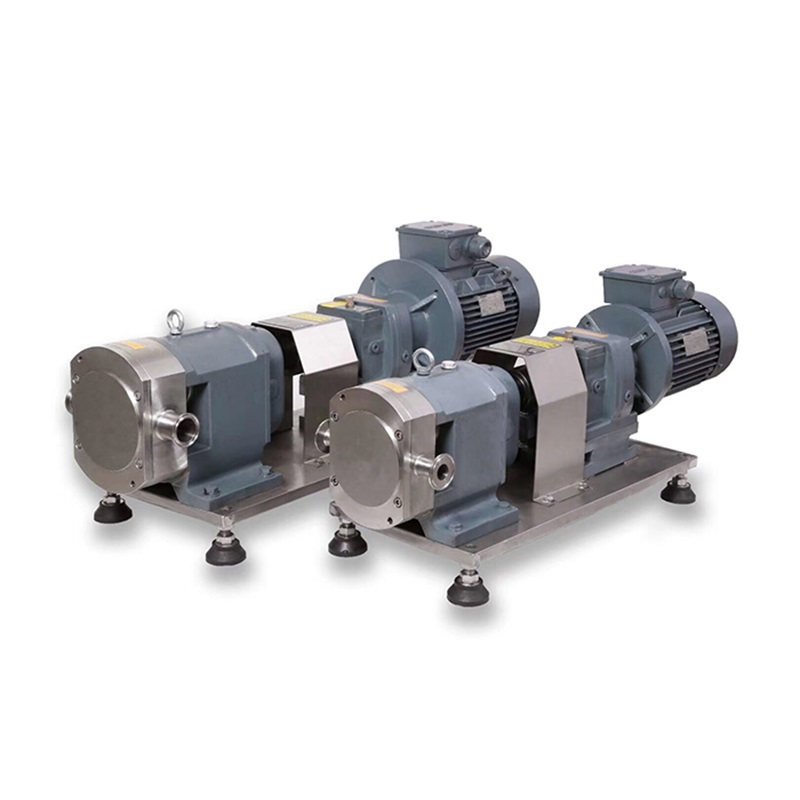
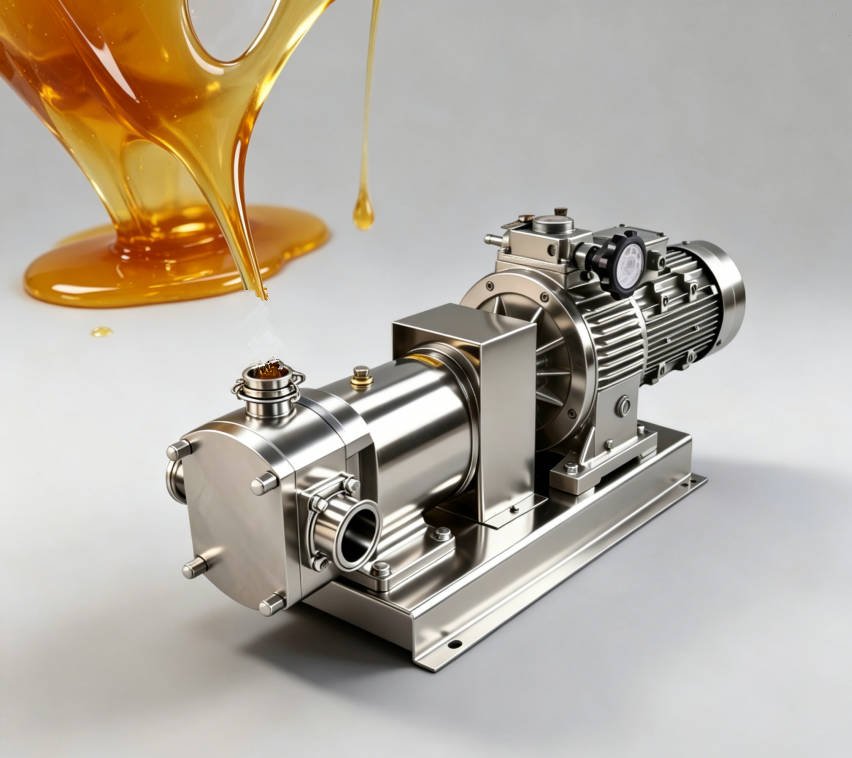
Syrup processing presents unique challenges that many standard pumps struggle to overcome. Syrups are typically high-viscosity, prone to foaming, and require gentle handling to preserve their texture, flavor, and nutritional properties. Unlike centrifugal pumps, which rely on velocity to move fluids and often fail with thick, viscous syrups, positive displacement (PD) rotary lobe pump for Syrup operates on a different principle—they trap a fixed volume of fluid between rotating lobes and move it steadily through the pump chamber, regardless of viscosity or system pressure.
Key Challenges in Syrup Processing That Lobe Pumps Solve
Syrup manufacturers face several pain points that rotary lobe pump for syrup addresses effectively:
High Viscosity Handling
Syrups range from moderately thick (e.g., fruit syrups) to extremely viscous (e.g., molasses or caramel syrups). Rotary lobe pump for Syrup handles viscosities from 1 cP to 1,000,000 cP, ensuring consistent flow even with the thickest syrups.
Gentle Fluid Handling
Syrups often contain delicate particles (e.g., fruit pulp in fruit syrups) or require preservation of their molecular structure. The low-shear operation of rotary lobe pump for syrup prevents damage to particles and maintains syrup quality, avoiding degradation of flavor or texture.
Hygiene Compliance
Food-grade syrup processing requires strict adherence to FDA, EU, and other global hygiene standards. Rotary lobe pump for syrup is designed with smooth, easy-to-clean surfaces, minimal dead zones, and sanitary materials (e.g., stainless steel 316L) to prevent contamination.
Consistent Flow Rates
Syrup processing lines demand precise flow control to ensure uniform mixing, dosing, and filling. Positive displacement rotary lobe pump for syrup delivers constant flow rates regardless of discharge pressure, eliminating inconsistencies in production.
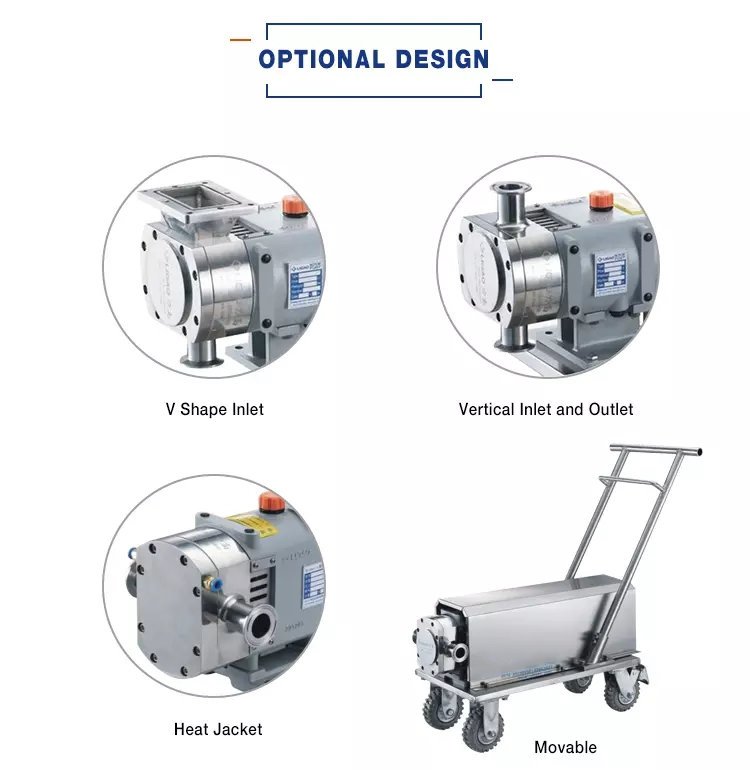
Key Features of Positive Displacement Rotary Lobe Pump for Syrup Processing
To meet the unique needs of syrup processing, rotary lobe pumps come equipped with specialized features that enhance performance, hygiene, and ease of use. These features are designed to optimize efficiency while maintaining product integrity.
Sanitary Design for Food-Grade Applications
Hygiene is paramount in syrup processing, and rotary lobe pumps are engineered with this in mind. Most models feature a sanitary design with:
– Smooth, polished surfaces (Ra ≤ 0.8 μm) to prevent product buildup and bacterial growth.
– Quick-disconnect (QD) fittings and easy-to-disassemble components for thorough cleaning (CIP/SIP compatibility).
– Food-grade materials, including stainless steel 316L for wetted parts, which is corrosion-resistant and compliant with FDA and 3-A Sanitary Standards.
– Sealed designs to prevent cross-contamination between the pump and the surrounding environment.
High Viscosity Performance
Unlike centrifugal pumps, which lose efficiency as viscosity increases, rotary lobe pump for syrup maintain consistent flow rates even with thick syrups. Their positive displacement design traps fluid in the lobe cavities and moves it forward with each rotation, making them ideal for processing molasses, caramel, glucose syrup, and other high-viscosity products. Many models also feature variable speed drives (VSD) to adjust flow rates based on production needs, further enhancing flexibility.
Self-Priming and Dry-Run Capabilities
Syrup processing lines often require pumps to handle intermittent flow or empty lines, and rotary lobe pump for syrup excels in these scenarios. They are self-priming, meaning they can draw fluid into the pump without manual priming, reducing downtime and operational effort. Additionally, some models offer dry-run capabilities, allowing them to operate briefly without fluid (e.g., during line cleaning) without causing damage— a valuable feature for maintenance and efficiency.
Benefits of Using Rotary Lobe Pumps in Syrup Processing Lines
Investing in a positive displacement rotary lobe pump for syrup processing line delivers numerous benefits that translate to improved efficiency, product quality, and cost savings. These benefits make lobe pumps a long-term, cost-effective solution for syrup manufacturers.
Applications of Positive Displacement Rotary Lobe Pumps in Syrup Processing
Rotary lobe pumps are used throughout the syrup processing line, from raw material handling to final product packaging. Their versatility and performance make them suitable for a range of applications:
Raw Material Transfer
Syrup processing starts with raw materials such as sugar, fruit juices, or molasses. Rotary lobe pumps transfer these raw materials from storage tanks to mixing tanks, ensuring gentle handling and consistent flow. They can handle high-viscosity raw materials (e.g., molasses) with ease, eliminating the need for multiple pumps.
Mixing and Blending
Syrups often require mixing with other ingredients (e.g., flavors, colors, preservatives) to achieve the desired taste and consistency. rotary lobe pump for syrup deliver precise flow rates, ensuring that ingredients are mixed in the correct ratios. Their low-shear operation prevents over-mixing, which can alter the syrup’s texture.
Dosing and Filling
In the final stage of processing, syrups are dosed into bottles, cans, or other packaging. Rotary lobe pumps provide accurate, consistent dosing, ensuring that each package contains the correct amount of syrup. Their positive displacement design eliminates flow variations, reducing product waste and ensuring compliance with labeling requirements.
Cleaning-in-Place (CIP) and Sterilization-in-Place (SIP)
Syrup processing lines require regular cleaning to maintain hygiene. Rotary lobe pumps are compatible with CIP and SIP systems, allowing for automated cleaning without disassembling the pump. This saves time and labor, while ensuring that the pump is thoroughly cleaned and sanitized between batches.
How to Choose the Right Positive Displacement Rotary Lobe Pump for Your Syrup Processing Line
Selecting the right rotary lobe pump for syrup processing line depends on several key factors, including your specific syrup type, flow rate requirements, and hygiene standards. Here’s a step-by-step guide to help you make the right choice:
Assess Your Syrup Properties
The first step is to evaluate the properties of the syrup you will be processing, including: – Viscosity: Choose a pump that can handle your syrup’s viscosity range (check the pump’s viscosity rating). – Solids Content: If your syrup contains suspended solids (e.g., fruit pulp), select a pump with larger lobe clearances to prevent clogging. – Temperature: Some syrups are processed at high temperatures (e.g., caramel syrup), so choose a pump with heat-resistant materials and seals.
Determine Flow Rate and Pressure Requirements
Calculate the required flow rate (in GPM or m³/h) based on your production capacity. Also, consider the discharge pressure needed to move the syrup through the processing line (e.g., through filters, mixers, or packaging equipment). Choose a pump with a flow rate and pressure rating that exceeds your maximum requirements to ensure flexibility.
Prioritize Hygiene and Compliance
For food-grade syrup processing, select a pump with a sanitary design, food-grade materials (stainless steel 316L), and compliance with FDA, 3-A, or EU standards. Look for features like smooth surfaces, minimal dead zones, and CIP/SIP compatibility to ensure easy cleaning and hygiene compliance.
Consider Maintenance and Serviceability
Choose a pump with a simple, robust design that is easy to disassemble and maintain. Look for models with quick-disconnect fittings, replaceable lobes, and readily available spare parts. This will reduce downtime and maintenance costs over the pump’s lifespan.
Evaluate Energy Efficiency
Opt for a pump with a variable speed drive (VSD) to adjust flow rates based on production needs. VSDs reduce energy consumption by matching the pump’s speed to the required flow rate, resulting in significant cost savings over time.