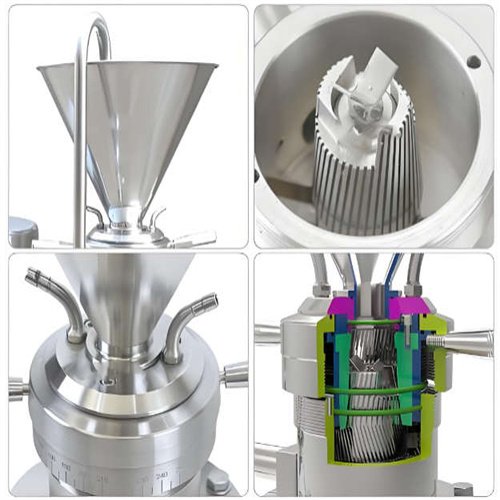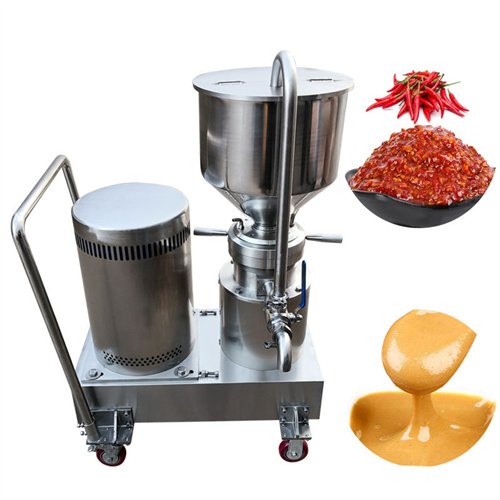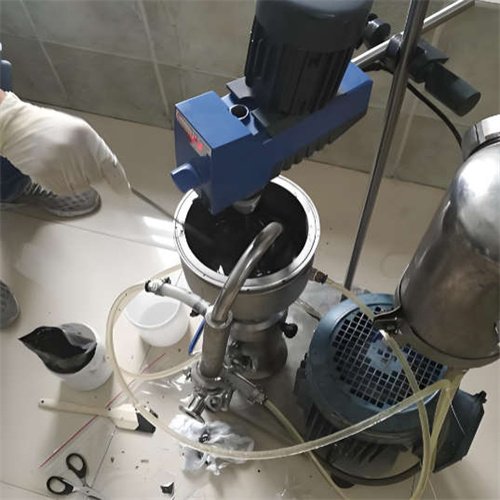
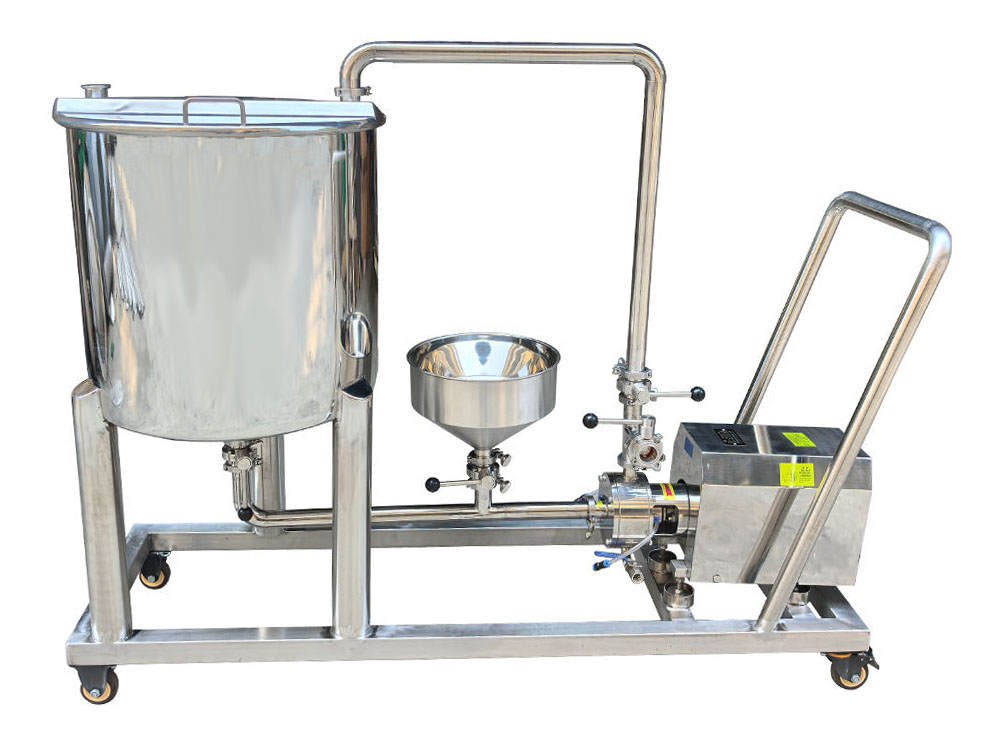
An inline mixer provides a modern, continuous solution to these processing challenges. Installed directly within a pipeline, inline mixers process fluids as they flow, delivering precise mechanical energy without requiring massive mixing vessels.
Inline mixers are widely used in the food and beverage, chemical, pharmaceutical, cosmetic, water treatment industries. Depending on the process requirements, inline mixing systems can use static mixing elements, high-speed rotors and stators, or other specialized mixing technologies.
Key Industry Applications
Food and Beverage Processing
Inline mixers are commonly used in food and beverage production because they can provide consistent mixing while reducing processing time.
Typical applications include:
- Sauces and dressings
- Mayonnaise
- Ketchup and tomato sauces
- Syrups
- Dairy products
- Beverage concentrates
- Flavor and color blending
- Starch and stabilizer dispersion
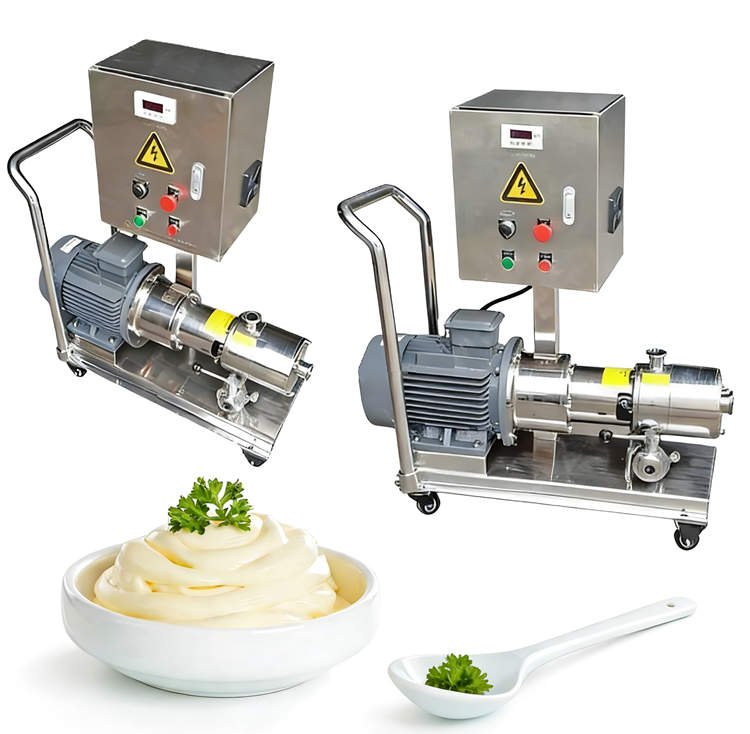
For example, an inline high shear mixer can help disperse powders into liquids and reduce agglomeration. It can also be used to produce stable emulsions for products such as mayonnaise and salad dressings.
Chemical Processing
Common applications include:
- Chemical blending
- Polymer processing
- Pigment dispersion
- Adhesives
- Coatings
- Resins
- Detergents
- Liquid additives
An inline mixer can provide controlled mixing conditions while minimizing the need for large mixing tanks.
Pharmaceutical Applications
Applications may include:
- Liquid pharmaceutical formulations
- Powder-liquid dispersion
- Emulsions
- Suspensions
- Creams and ointments
- Active ingredient blending
For pharmaceutical applications, equipment design may need to meet specific requirements for hygiene, cleanability, surface finish, and material traceability.
Cosmetic and Personal Care Products
It can be particularly useful when a process requires:
- Fine emulsification
- Rapid powder dispersion
- Particle size reduction
- Uniform blending
- Stable product consistency
For example, oil and water phases can be processed through an inline high shear mixer to produce a more uniform emulsion.
Water and Wastewater Treatment
Typical applications include:
- Coagulant mixing
- Polymer dispersion
- Chemical dosing
- pH adjustment
- Disinfectant blending
- Sludge conditioning
Because the mixing process occurs continuously inside the pipeline, inline mixers can be integrated into automated water treatment systems.
Advantages of Inline Mixing Technology
Continuous Processing
One of the main advantages is continuous operation.
Materials can be fed into the system continuously rather than being loaded into a tank, mixed, and then discharged. This makes inline mixing particularly suitable for continuous production lines and high-volume applications.
By delivering high energy directly to the fluid stream rather than trying to swirl an entire tank volume, inline mixers reduce processing times by up to 60%–90%, significantly lowering overall energy consumption.

Fast and Efficient Mixing
It can provide rapid mixing because the material is exposed to controlled mixing forces as it passes through the mixing zone.
High shear inline mixers can generate particularly strong shear forces for applications requiring rapid emulsification, dispersion, or homogenization.
Elimination of Air Entrapment and Foaming
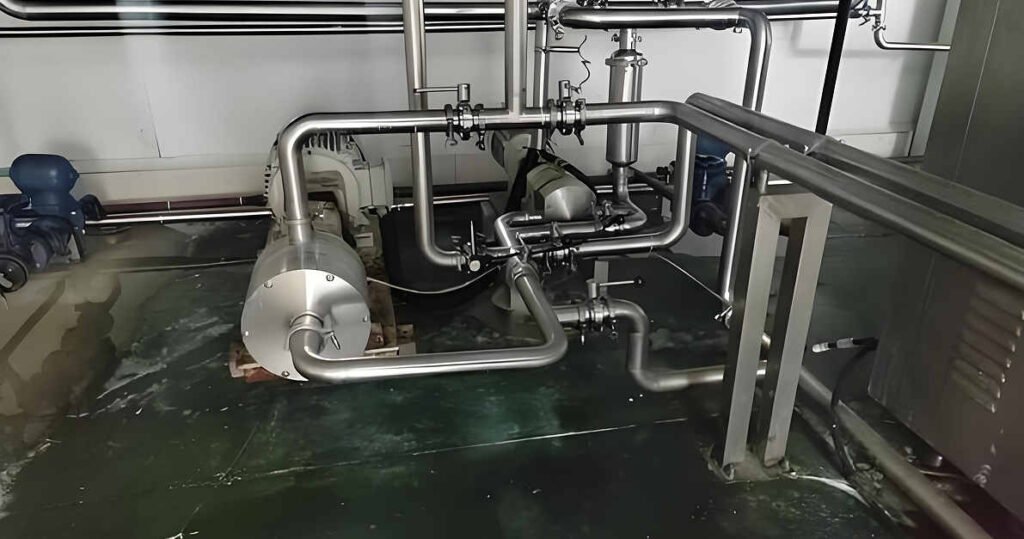
Air inclusion causes product oxidation, volume inaccuracy, and unwanted foaming (especially in shampoos and food gels). Because an inline mixer operates in a fully sealed, airtight piping system, it eliminates air vortexes and foaming risks entirely.
Consistent Product Quality
Continuous inline mixing can provide highly repeatable processing conditions.
When flow rate, mixing intensity, temperature, and material ratios are properly controlled, the system can produce consistent product quality from one production cycle to another.
This is important for industries where product uniformity is critical.
When Should You Not Use an Inline Mixer?
Inline mixers are best for low to medium viscosity fluids (typically under 50,000 cP). For high-viscosity pastes (toothpaste, caulk, putty), a triple-action batch mixer or dual-shaft disperser is often more appropriate.
Additionally, if your process requires aging , curing , or holding time (e.g., fermentation), an inline mixer cannot replace the tank; it can only prepare the feed stream.
Conclusion
An inline mixer provides an efficient solution for continuous blending, dispersion, emulsification, and homogenization. Its continuous operation, Fast and Efficient Mixing,Elimination of Air Entrapment and Foaming, and Consistent Product Quality make it suitable for a wide range of industries.
The best inline mixer depends on the process requirements, including flow rate, viscosity, mixing objective, material compatibility, temperature, pressure, and required product quality.
For industrial applications, understanding these parameters before selecting an inline mixer can help improve mixing efficiency, product consistency, and overall production performance.