When using a ketchup colloid mill to process tomato paste, special attention should be paid to the following to ensure equipment safety, stable operation, and product quality:
Why Use a Colloid Mill for Ketchup Production?
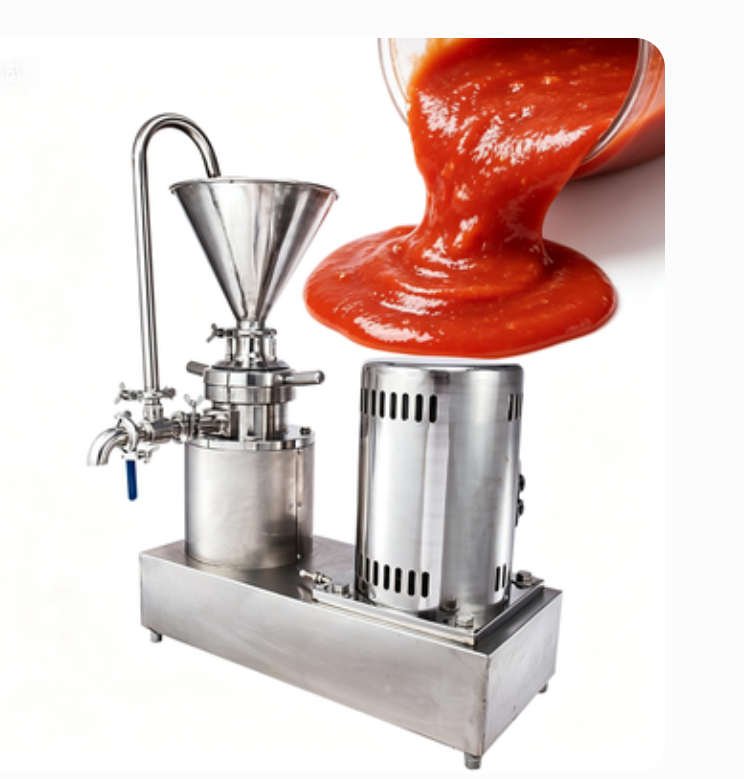
Ketchup requires a smooth, lump-free consistency with uniform distribution of solids and liquids. A ketchup colloid mill ensures that tomato pulp, fibers, and other ingredients are finely ground and evenly blended.
Benefits for Tomato Sauce Processing
- Ultra-fine grinding: Achieves particle sizes as small as 2–20 microns
- Improved texture: Creates a smooth and creamy mouthfeel
- Enhanced stability: Prevents separation during storage
- Efficient mixing: Combines ingredients like sugar, vinegar, and spices uniformly
Key Precautions for a ketchup colloid mill
Material Pre-treatment:
Before entering the ketchup colloid mill, tomato paste should be free of hard impurities (such as seeds, peel fragments, etc.). It is recommended to pre-treat it through an 80-mesh sieve to prevent large particles or hard objects from damaging the grinding discs.
Controlling Grinding Temperature
Tomato paste has a high water content and is heat-sensitive. During grinding, the high-speed shearing can easily cause it to heat up. It is recommended to control the grinding temperature between 10–40℃. If necessary, ice chips can be added or a cooling system can be activated to prevent flavor degradation or microbial growth.
Properly Adjusting the Gap:
The rotor-stator gap of a ketchup colloid mill is typically adjustable within the range of 0.1–5 mm. Tomato paste is a high-viscosity fluid. It is recommended to set the initial gap to 0.3–0.8 mm, and gradually fine-tune it according to the fineness requirements (generally a target of 2–20 μm) to avoid overloading the motor or causing wear on the grinding disc due to excessively small gaps.
Ensure continuous feeding and prevent dry running.
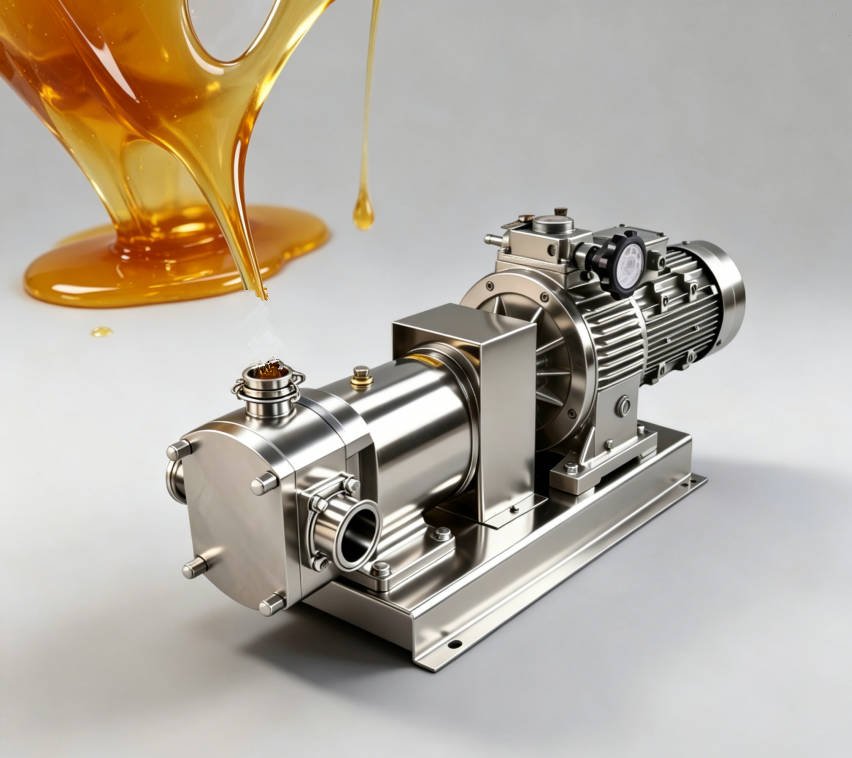
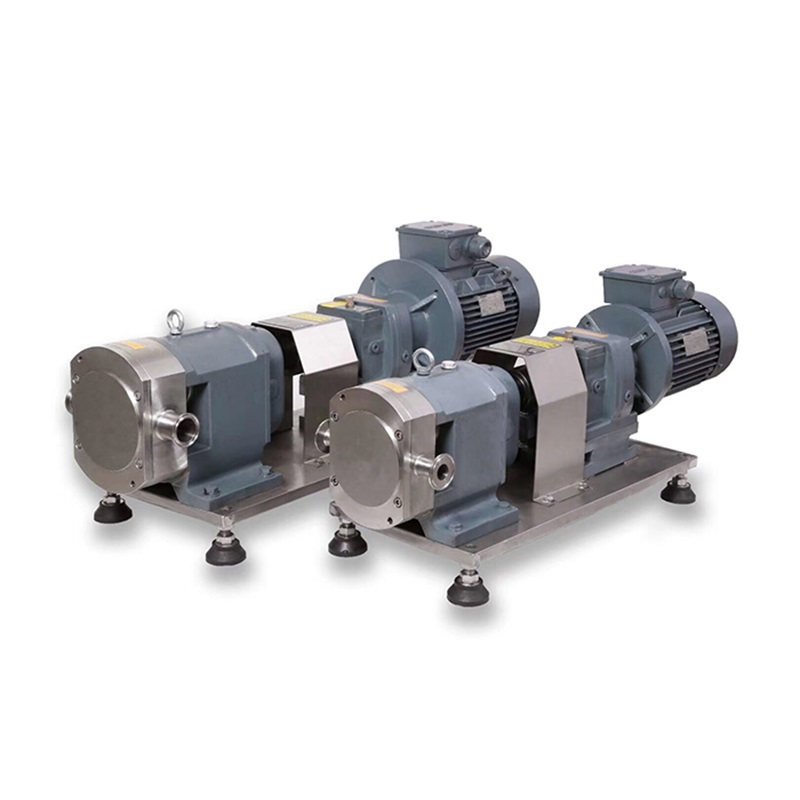
A stable feeding rate must be maintained; dry running is strictly prohibited. If a pumping method is used, a cam rotor pump or grinding pump should be used, with its speed controlled at 200–600 rpm to avoid high-speed shearing damaging the tomato paste structure.
Equipment material and hygiene requirements.
Tomato paste is an acidic food (pH≈4.0–4.5). All contact parts should be made of food-grade stainless steel (such as SUS304 or 316L), meeting FDA or 3A hygiene certification requirements, and facilitating CIP/SIP cleaning.
Clean promptly after shutdown.
After use, immediately rinse with clean water or an alkaline cleaning agent to prevent lycopene and pectin residue from drying and corroding the grinding disc or breeding bacteria.

Safety Operating Procedures
Before starting the machine, check if the cooling water is flowing smoothly (if there is a cooling system).
- Confirm that the motor rotation is correct (clockwise when viewed from the feed inlet).
- If abnormal noise, vibration, or excessive temperature rise (>80℃) occurs during operation, stop the machine immediately and investigate.
- Inline ketchup colloid mill (such as NEWAFLUIDS Inline colloid mill), enabling continuous online production and efficient homogenization
- Ultra-fine ketchup colloid mill with a three-stage grinding zone design, achieving a fineness of 0.5–20μm, meeting the delicate texture requirements of high-end tomato sauces (such as export grade)
Application Scope Beyond Ketchup and Tomato Sauce
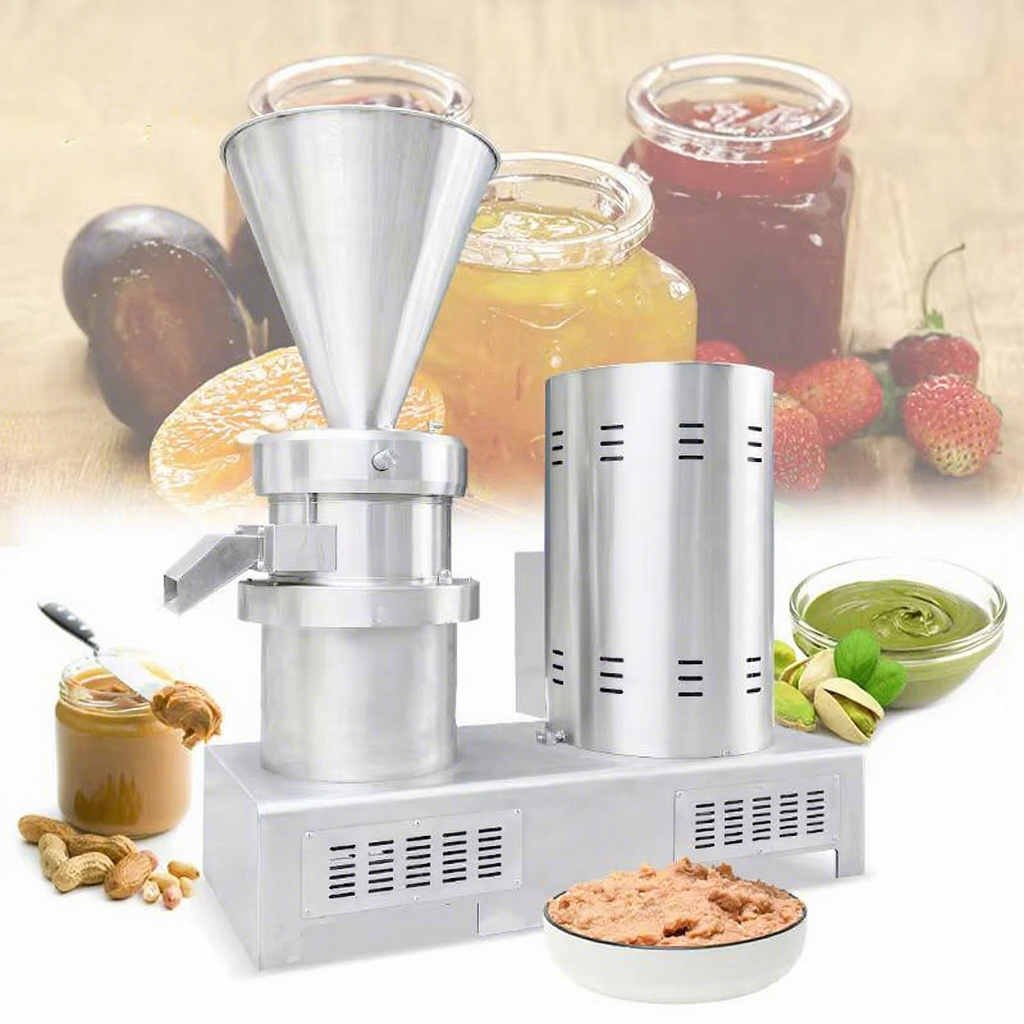
This multifunctional ketchup colloid mill is not only limited to ketchup production. It can also be widely used in chili sauce, peanut butter, sesame paste, fruit jam, bean paste, dairy homogenization, food seasoning emulsification and other wet material grinding processes. One machine has multiple uses, helping food manufacturers save equipment investment and improve comprehensive production capacity.
Conclusion
A ketchup colloid mill is an essential piece of equipment for producing high-quality tomato sauce with smooth texture and stable consistency. Its ability to finely grind and homogenize ingredients makes it a preferred choice in modern food processing.
Whether you’re manufacturing ketchup, sauces, or other viscous food products, investing in the right tomato sauce grinding machine can significantly improve your production efficiency and product quality.